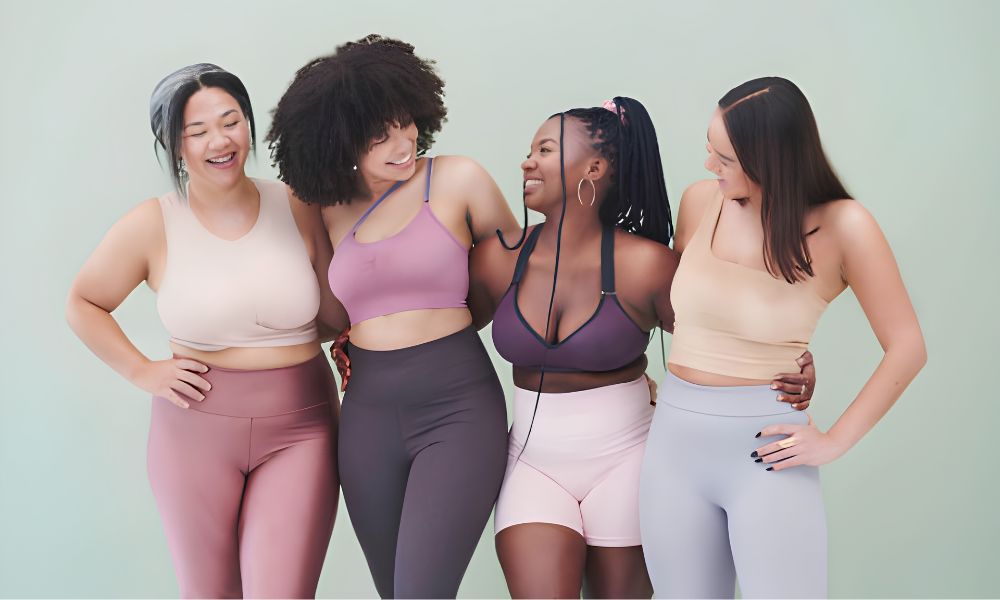
There’s a version of your body that some part of the world, at some point in history, would have called perfect. You’ve probably never met her. She keeps changing shape. That’s the quiet tension underneath most of what women are told about their bodies and the beauty standards they are expected to follow. Not that the ideal is wrong, but that it was never fixed to begin with. Beauty standards shift by decade, by continent, and by whoever happens to be holding power at the time. Yet each generation is often presented with its current ideal as though it is permanent — as though this year’s shape is the one that finally got everything right. The Illusion of the “Perfect” Body “If I could just get my body to look like that, I’d finally relax.” It’s a thought many women have had in one form or another. What rarely gets said is that “that” was a different shape twenty years ago and will likely be a different shape again before you’ve finished trying to reach it. The body ideal you are chasing may not even be the same ideal that existed before you were born — and it probably won’t be the same one celebrated in the future. Beauty Standards Are Not Universal The story of beauty standards is not only a Western story with other cultures added as decoration. Across the world, different societies have valued different body types at different times. Beauty ideals have always reflected the values, resources, traditions, and social structures of the communities that created them. When Fullness Represented Wealth and Status In Mauritania, for generations, fuller bodies were associated with prosperity, family wealth, and readiness for marriage. In some communities, gaining weight before marriage was encouraged because a larger body symbolised that a family could provide. In parts of West Africa, including regions of Nigeria and Ghana, fuller figures have historically been associated with health, abundance, and womanhood — the opposite of the physical signs linked to hardship or poverty. Historical Examples of Changing Ideals Tang Dynasty China: Plumpness as Prestige Over a thousand years ago during China’s Tang Dynasty, fuller bodies were often associated with wealth, leisure, and aristocratic status. This contrasts sharply with the slim beauty standards often associated with modern East Asian cultures today. Renaissance Europe: The Celebration of Curves During the Renaissance period, European paintings frequently celebrated soft, rounded, and fuller female forms. Artists such as Rubens portrayed women with curves because that body type represented beauty and abundance in that era. How Beauty Standards Shifted Over Time Beauty ideals do not move in a simple direction from “wrong” to “right.” They constantly change. Victorian Era: The Extremely Small Waist Victorian England promoted corseted bodies with dramatically narrow waists, creating an ideal that required women to physically reshape themselves. The 1920s: The Boyish Figure The 1920s moved in the opposite direction, celebrating a flatter-chested, slimmer, more youthful silhouette. Post-War America: The Return of Curves After the Second World War, fuller curves became fashionable again, with Hollywood influencing ideas of feminine beauty. The 1990s: The Rise of Thinness The 1990s introduced the “heroin chic” era, where extreme thinness became heavily promoted in fashion and media. Modern Beauty Standards: Multiple Ideals at Once Today, different regions promote different versions of beauty. Some cultures continue to value extreme slimness, while others are experiencing movements that challenge narrow definitions of attractiveness. Who Creates Beauty Standards? Beauty ideals are rarely random. They often serve cultural, economic, and social purposes. Economics and Wealth At different times, body ideals have reflected access to resources. In some periods, being fuller represented wealth because only those with enough food could achieve that appearance. In other periods, being slim became associated with privilege because maintaining a certain body shape required time, money, fitness access, or specialised diets. Social Expectations and Control Beauty standards have also been influenced by expectations placed on women. Societies have often connected women’s bodies with ideas of fertility, modesty, status, purity, or social value. Tradition and Cultural Meaning Communities attach meaning to appearance based on their own histories and beliefs. These meanings can change as societies change. The Realisation: It Was Never Really About Me So, none of this was ever really about me. That’s the sentence worth sitting with. Not as a way of dismissing how your body feels day to day — because those feelings are real and they matter — but as a way of loosening the power of whichever beauty ideal happens to dominate your time and place. The standard you are surrounded by is not an eternal truth. It is simply one moment in a long history of changing opinions. Choosing Your Own Relationship With Your Body I’m not going to tell you what to do with your body. That’s not mine to decide, and anyone claiming to have the one definitive answer is likely selling something. What matters is finding what genuinely supports your health, your energy, and your actual life. You do not have to reject beauty standards loudly, and you do not have to chase them loudly either. There is another option: Continue making choices that feel right for you while allowing the surrounding noise to remain just noise. Identity Beyond Appearance Small, ordinary reminders can help you remember that you get to decide what you represent. The Afro Woman Collection, the mug you drink your tea from, or the hoodie you actually live in are not there to fix anything. They are simply markers of identity — reminders that this is your body, your history, and your choice. You can find it at Samanthia Clarke Shop. Reflection: Understanding What You Have Absorbed Sometimes writing helps separate what you truly believe about your body from what you have absorbed from the world around you. You do not need to have the perfect answer. You only need to begin. Consider these questions: Final Thought Beauty standards have always changed. Cultures have always created new ideals. Your worth does
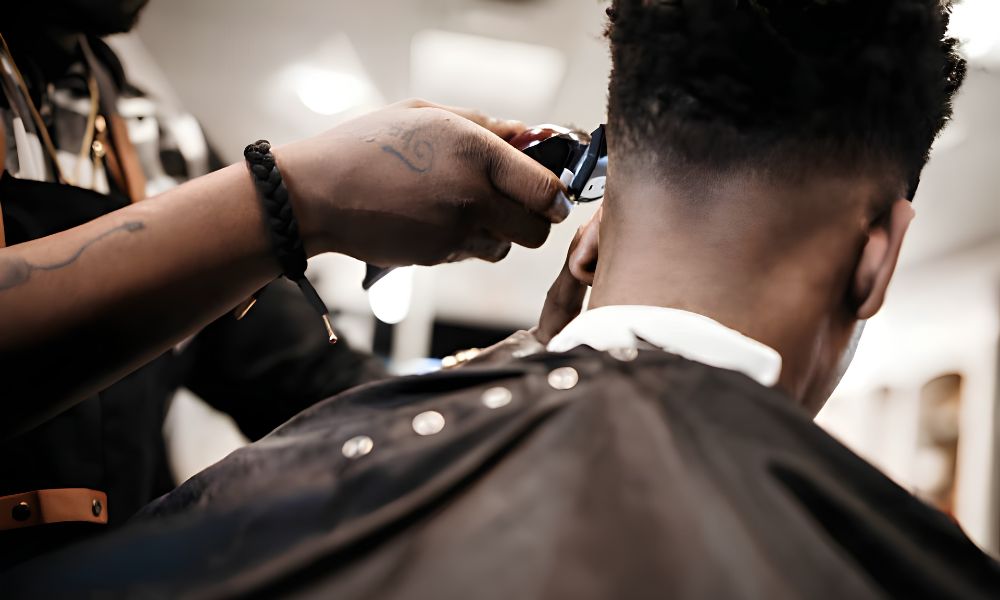
Look at the Black men in your life. Their hair grows thick, coiled and healthy, largely left alone. Then look at your own hairline, or what’s left of it. Something in you knows the comparison isn’t fair. You make it anyway. It’s not that Black men were given better hair. Genetically, we start from the same place. The difference isn’t in what we were born with. It’s in what happened next—and in how Black hair beauty standards have shaped the way women and men are taught to treat their natural hair. A Simple Relationship With Hair Most Black men wash their hair, cut it and maybe oil it. The ones who cornrow it or loc it do so as a style—an expression, never a correction. Either way, the relationship is simple. Uncomplicated. Most Black women have a longer story. Relaxers from childhood. Hot combs before that, for some of us. Weaves, wigs and braids pulled tight enough to leave headaches and receding hairlines as souvenirs. Somewhere along the way, a straight, loose and “manageable” texture became the unspoken standard, while our natural hair became the thing to manage away. This Is Not a Lecture I’m not writing this to make anyone feel foolish for the choices they made. I’ve made plenty of my own. This isn’t a lecture. It’s a noticing. The Hair That Seemed to Get Chosen “This is just the latest style,” you tell yourself, thumbing through a magazine for the next look to ask for. The girls with the straightest, sleekest hairstyles always seemed to get noticed. They got the boys’ attention. And maybe that’s true. Or maybe there’s something underneath it that’s harder to say out loud: somewhere, a long time ago, you learned that the hair you were born with wasn’t the hair that got chosen. A Beauty Standard We Inherited That belief didn’t come from nowhere. It has a history. The idea that straight hair is neat and kinky hair is unruly. That a weave looks “finished” in a way an afro doesn’t. That our natural hairline is somehow less presentable than a slicked edge. All of it traces back to a beauty standard that was never built with us in mind. We didn’t invent the hierarchy. We inherited it, and most of us inherited it so early that we mistook it for our own opinion. The Tools That Promised to Close the Gap So, we reached for the tools that promised to close the gap. Chemicals that broke down the structure of the hair to make it lie flat. Heat applied weekly, sometimes daily, to keep it that way. Extensions sewn or glued in tightly enough to change the shape of a hairline permanently. None of it was stupidity. It was survival, in its own way, dressed up as style. But survival has a cost. For many of us, that cost has been paid in follicles that no longer grow, edges that never returned and a texture we now have to search through old photographs to remember. Why Black Men’s Hair Was Allowed to Thrive Meanwhile, the men around us kept their hair mostly untouched, and it thrived. Not because they were braver, more accepting or more “natural.” Mostly because nobody built an industry around telling them their hair was wrong. Growing Up in a Rasta Household I grew up in a Rasta household. Both of my parents were Rastafarian. My mother never wore makeup—not once, not for anything. If anyone was going to raise a daughter who was immune to all of this, it should have been her. And still, somewhere along the way, I ended up mixing my first Dark and Lovely relaxer kit at the bathroom sink. Years later, I found myself asking for a weave. This isn’t a story about weak-minded women who didn’t know better. I was raised by a woman who rejected the entire apparatus of Eurocentric beauty on principle, and even that wasn’t enough to protect me from it. That’s how strong the pull is. It doesn’t need you to be uninformed. It just needs you to be young and surrounded. Looking Back With Tenderness I think about that younger version of myself. The girl who stood in the bathroom mixing the cream from her first relaxer kit, hoping it would make her hair straighter, smoother and more like the hair she saw praised on television and in magazines. I don’t feel angry at her. I feel something closer to tenderness, and a quiet kind of grief for what she didn’t know yet. She was young. She was doing what everyone around her seemed to be doing. She had no way of knowing what twenty years of it would cost. Regret Without Self-Punishment There’s regret in this, if I’m honest. But there’s also acceptance. The pressure to fit a standard that wasn’t built for us is real, and it is strongest when we are young—when we are least equipped to question it. I don’t think there is much use in punishing ourselves for falling in line with something that surrounded us from every direction. What I do think is worth doing is looking clearly at what happened, without flinching and without making excuses, so that we can understand it properly. What We Can Offer the Next Generation Maybe, for those of us who feel strong enough, there is something else worth doing. Not a grand gesture. Just a little more care with the Black girls coming up behind us. A little less pressure passed down without us noticing that we are passing it. A little more room for them to grow up believing that their hair, in whatever state it is in, was never the problem. Your Hair Does Not Define Your Worth Whatever your hair looks like right now, and however it got that way, it doesn’t take away from who you are. That’s not a slogan. It’s simply true. The Afro Woman Collection If any of this feels familiar, the Afro Woman Collection
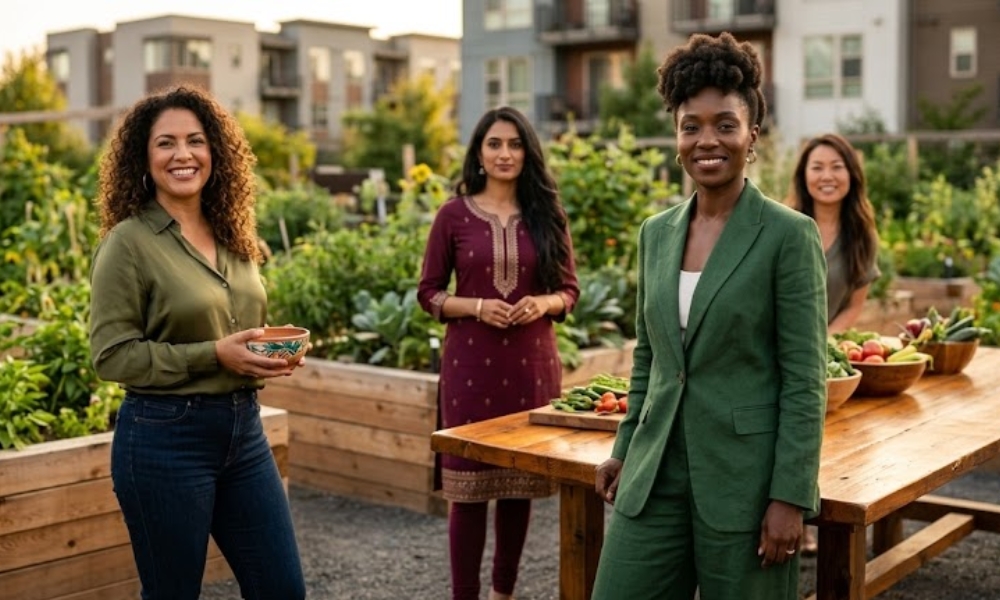
At some point, without anyone asking your opinion, a decision was made. A decision shaped by beauty standards about what a woman’s body should look like. How much space it should take up. Where it should be narrow, where it should curve, what it should weigh, and how it should age. That decision has been revised many times over the centuries. It will be revised again. And yet somehow, each version presents itself as the final word. As objective truth. As just… the way things are. It isn’t. It never was. The ideal female body is not a fact. It is a construction. And like all constructions, somebody built it with particular materials, in a particular place, with particular interests in mind. Prefer to listen?Listen to the full article below. The standard that ate everything else The body ideal that dominates global advertising, mainstream media and the fashion industry today is, at its core, a Eurocentric one. Slim but not too slim. Toned but not too muscular. Tall, symmetrical, light-skinned. Young, or appearing young. Narrow hips that somehow also accommodate curves in precisely the right places — an increasingly digitally manufactured combination that has never existed in nature at the rate we’re now expected to aspire to it. This standard didn’t appear from nowhere. It was exported through colonialism, through Hollywood, through fashion weeks and glossy magazines, into every corner of the world. And it arrived with authority. With the implicit message that this was not just one aesthetic among many, but the aesthetic. The one that conferred value. The one worth aspiring to. If I could just lose a bit more weight. If my waist were smaller. If I looked more like The sentence doesn’t even need finishing. Most women know exactly how it ends. But here’s what the global picture actually looks like The Eurocentric ideal has never been the whole story. It has simply been the loudest voice in the room. And in cultures around the world, despite the noise, a very different relationship with the female body has persisted. West Africa and the Caribbean In many West African cultures and across much of the Caribbean, a fuller, rounder body has long been associated with health, fertility, prosperity and beauty. Width in the hips, softness in the belly, substance in the thighs — these are not imperfections to be corrected. They are signs that a woman is well, that she is thriving. The pressure to be thin that runs through Western culture does not carry the same weight here. Quite literally, weight itself carries different meaning. South Asia Across India, Pakistan, Bangladesh and Sri Lanka, the beauty ideal has historically included curves, softness, and a fuller figure, seen as signs of femininity, good health, and abundance. Fair skin has long been prized, which is its own complicated and painful conversation. But the ultra-thin ideal of Western fashion has always sat uneasily alongside a cultural aesthetic that values roundness and softness in the female form. Bollywood has shifted somewhat toward a slimmer look in recent decades, but traditional beauty standards persist strongly at community level. The Pacific Islands In Fiji, Samoa, Tonga and across much of Polynesia, larger bodies have historically been celebrated as signs of strength, status, and beauty. Research into body image in these communities has consistently found lower rates of body dissatisfaction than in Western populations, though this is changing as Western media spreads further, which is its own troubling indicator of where the damage comes from. West and Central Africa: the Mauritanian tradition In parts of Mauritania, the practice known as leblouh, the deliberate fattening of young girls to make them more marriageable, reflects a beauty ideal in which a large body signals wealth and desirability. It is a tradition with its own complex ethical dimensions, but it stands as one of the clearest illustrations of just how culturally constructed and geographically specific the concept of the ideal body truly is. Latin America The beauty ideal across much of Latin America includes and celebrates curves, particularly in the hips and buttocks, in ways that sit quite differently from Northern European aesthetics. The curvy ideal here is not a reluctant accommodation; it is the standard. And while skin tone ideals vary and carry their own hierarchies, the body shape itself is celebrated in a way that mainstream Western fashion has only recently, and somewhat awkwardly, begun to acknowledge. The standard is shifting — but who benefits? There has been a visible shift in Western media and advertising over the past decade. More body diversity on runways. More size inclusivity in campaigns. The rise of the curve ideal, the celebration of the fuller figure in mainstream pop culture. It would be easy to read this as progress. And in some ways it is. But it’s worth asking who is defining this new standard, and on what terms. Because a new ideal is still an ideal. And the message, this is what is beautiful now, this shape, this proportion, still positions women’s bodies as objects to be assessed, approved, and ranked. Am I the right kind of curvy? Is this the acceptable version of bigger? The goalposts shift. The game stays the same. What it means to define beauty on your own terms The real work, the harder, quieter, more personal work, is not finding a beauty standard that includes you. It’s questioning why you need a standard at all. Your body is not a project. It is not a problem to be solved or a canvas to be adjusted until it meets an external specification. It is the thing that carried you through every experience you have ever had. It has absorbed grief and expressed joy and held other people and kept you alive through things you weren’t sure you’d survive. It does not need to look a particular way to deserve care. To deserve clothing that fits beautifully. To deserve to take up space without apology. Somebody decided what the perfect body looks like.
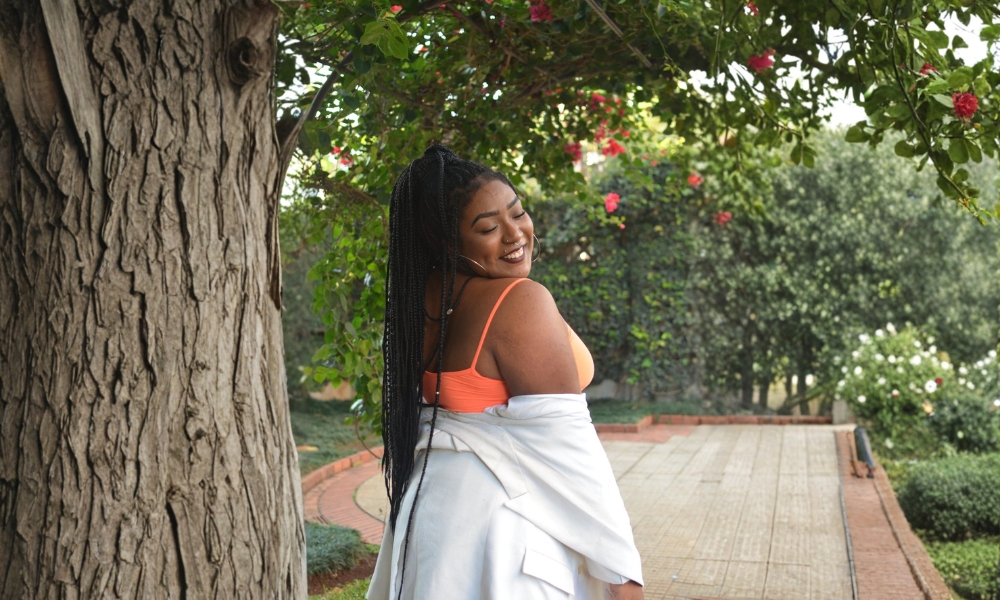
There’s a size that Western society has decided is the right one. You probably already know what it is. It’s the size that fills the most rail space. The size that fashion weeks are built around. The size that gets called “healthy” in headlines that have nothing to do with health. And when it comes to loving your thick body, that narrow standard has made too many women feel as though their natural shape needs to be questioned, hidden, or fixed. And if your body isn’t that size, you’ve spent a lifetime receiving a very quiet, very consistent message. Something about you needs fixing. Prefer to listen?Listen to the full article below. Thinness Is Cultural, Not Natural Here’s what’s worth naming first. The obsession with thinness isn’t natural. It isn’t neutral. It’s cultural, it’s constructed, and it has a history. For decades, one particular body shape has been held up as the standard. Not just in fashion. In medicine. In media. In the language people use when they think they’re paying you a compliment. You’ve lost weight. You look amazing. As though the two things are inseparable. As though smaller has always meant better. Why This Hits Differently for Women of Colour Most women have absorbed this, whether they wanted to or not. But for women of colour, and particularly for Black women, the disconnect goes deeper. Because the body that gets scrutinised, commented on and dressed as an afterthought is often a body that is simply built the way it was always going to be built. Wider. Rounder. Fuller. Not a deviation from the norm. Just a different norm entirely, one that the mainstream has been very slow to catch up with. And still, the messaging gets in. That’s the insidious thing about it. It doesn’t always arrive loudly. It doesn’t always come from strangers. When Body Shame Starts at Home Sometimes it comes from inside your own home. You’re getting big. You want to watch that. You’d be so pretty if you just lost a little weight. Said with love, sometimes. Said by people who’d absorbed the same programming and were simply passing it down. That doesn’t make it easier to unhear. It doesn’t stop those words from settling somewhere inside you and becoming the voice you hear when you’re standing in a changing room, or scrolling through images that were never really made with you in mind. What It Really Means to Love Your Thick Body The work of loving a thick body, a body that is Pretty, Hot and Thick, a body that is genuinely, unapologetically PHAT, isn’t just physical. It’s not about finding the right outfit or the right angle. It’s about unpicking years of messaging that told you your body was a problem to be solved. That work is psychological. It takes time. And it’s entirely worth doing. Your Body Is Not a Before Photo Because here’s what that messaging never tells you. Your body, as it is right now, is not a before photo. It is not a work in progress. It is not something to be tolerated until it becomes something more acceptable. It’s just your body. Doing what bodies do. Holding you up. Carrying you through. Deserving of care, comfort and appreciation that doesn’t come with conditions attached. Self-Worth Cannot Depend on Size Self-worth that depends on your size is not self-worth. It’s conditional approval. A healthy body is not about meeting one fixed beauty standard; it is about feeling comfortable in your body and recognising that your self-worth is not measured by appearance. And conditional approval has a way of keeping you in a permanent state of almost, almost there, almost good enough, almost ready to take up space without apology. You are already there. Representation Matters, But It Is Not Enough The cultural conversation is shifting, slowly. There are more bodies visible now than there were ten years ago. More designers cutting for curves. More women in public life refusing to make their size a punchline or a confession. That matters. Representation does something real to the stories we tell ourselves about what’s possible. But representation alone doesn’t undo what’s already inside. The images you’ve seen, the comments you’ve stored, the number on a label that somehow became a measure of your worth; those don’t disappear because the cultural wind has changed direction. Start With This Truth: My Body Is Not the Problem That’s internal work. And it starts with something simple, even if it doesn’t feel simple at all. My body is not the problem. Not a mantra to repeat until you believe it. Just a fact. One that you’re allowed to return to, quietly, whenever the old voice starts up again. Learn Whose Voice You Are Hearing It also helps to get honest about where the voice is coming from. Is it yours? Is it something you genuinely feel, or is it something you were given? There’s a difference between wanting to feel strong and well in your body and wanting to be smaller because somewhere along the line you were taught that smaller meant loveable. Those are not the same want. And knowing which one is driving you matters. Be Deliberate About What You Let In It also matters who you’re surrounding yourself with, what you’re consuming and whether the spaces you move through reflect your reality back to you. You can’t think your way out of years of narrow imagery. But you can start being deliberate about what you let in. Wear What Reflects Who You Are Part of being deliberate is choosing what you put on your body and what you surround yourself with. The Afro Woman Collection at samanthiaclarke shop, including hoodies, jumpers, t-shirts and an affirmation mug, was designed with that in mind. Pieces that reflect who you are, not who the mainstream decided you should be. Wear the affirmation. Keep it somewhere you’ll see it. Small things have a way of adding up. A Writing Practice for Body Acceptance Writing

There’s an ongoing conversation in the Black community about beauty that often goes unnamed. You hear it in comments about hair, in women featured in music videos, and in who gets called beautiful without conditions. The reality is that sometimes — not always, but sometimes — Eurocentric beauty standards shape the idea of beauty in Black relationships, and those standards aren’t actually Black at all. It’s borrowed. And it’s worth asking where it came from, and what it’s costing. Prefer to listen?Listen to the full article below. What Are Eurocentric Beauty Standards? Eurocentric beauty standards didn’t happen by accident. They were built and enforced over centuries through colonialism, slavery, and media that elevated one particular look while sidelining others: These standards are deeply ingrained because they often slip in quietly — through what gets called pretty, professional, or desirable. When these images are absorbed from childhood, it subtly trains our eyes without conscious awareness. Examples include: These comments are not rare—they live inside Black homes, relationships, and communities. The conditioning is long-standing, not because Black people are uniquely prone to internalizing harm, but because it has persisted for generations. The Impact on Black Love and Relationships How Eurocentric Standards Affect Attraction When beauty standards inside a community are shaped by external forces that do not affirm Blackness, it creates a quiet but real split. Some Black men may grow up with an idea of attractiveness that favors European features over natural African ones. Features like dark skin, natural hair, broader noses, and fuller lips—distinctly African—can, in this distorted frame, be seen as things to tolerate rather than desire. How Black Women Feel It Even when nothing is said out loud, Black women often notice: Questions that may arise internally: These questions shape self-perception, self-love, and comfort in one’s own body. Eurocentric Beauty Standards Are a Community Issue This isn’t an attack on Black men. Both men and women are subject to the same conditioning — the same images, the same long-term social project of making Blackness feel like it needs adjusting to be desirable. Colorism shows up in female friendships, and light-skin privilege exists across the community. Taking on Eurocentric beauty standards is a community issue, not a gender one. It affects relationships in multiple directions. Why Naming the Problem Matters Naming these standards allows individuals to recognize preferences for what they are: This awareness gives a new choice—not to change attraction overnight, but to reflect honestly on beauty, love, and relationships: Reclaiming Beauty and African Heritage Consider what’s lost when beauty ideals are always somewhere else. Features that carry African heritage—textures, tones, shapes—are ancestral and beautiful. Choosing to see these features as genuinely beautiful is more than aesthetics: How to Center Black Womanhood in Daily Life The Afro Woman Collection at samanthiaclarke.com/shop is designed to affirm Black womanhood through hoodies, jumpers, t-shirts, and mugs. These items are daily reminders of what’s worth affirming, not as statements, but as quiet, consistent reinforcement. Reflective Journal Prompts Writing can surface thoughts you didn’t know you carried. Consider these prompts:
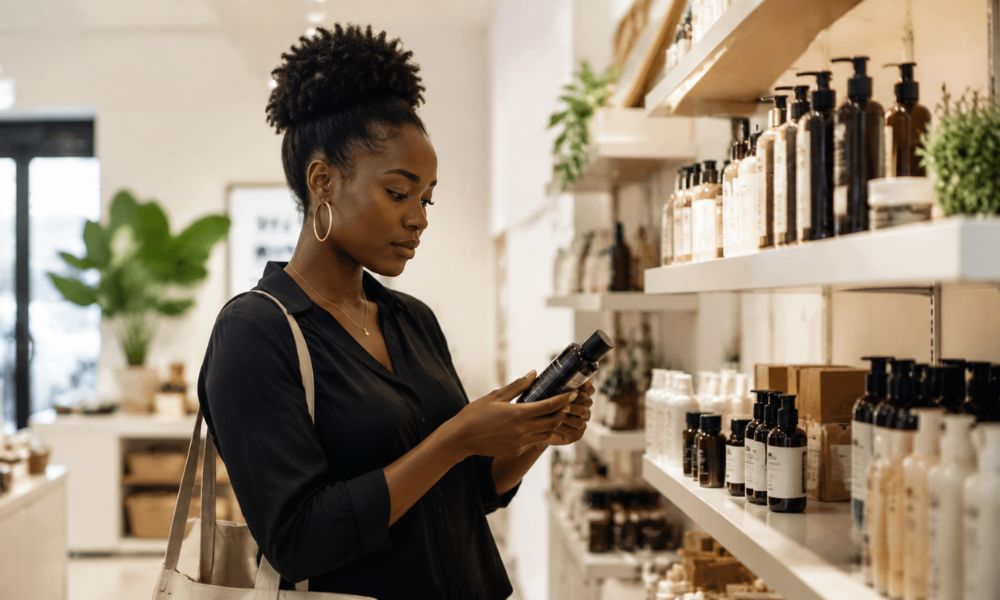
Something real has been happening in the beauty industry. Over the last decade or so, Black women-owned beauty brands and Black-owned beauty brands have been building products that actually understand our skin, our hair, and our long history of being ignored or badly served by the mainstream. Products formulated with us as the starting point, not an afterthought. Founders who know what it means to be told, directly or indirectly, that your features are a problem to be corrected. And slowly, then quickly, some of those brands have started to get the recognition they deserve. Shelf space. Press coverage. A seat at tables they were never invited to before. I’m not going to pretend that isn’t meaningful. It is. But I’d be doing you a disservice if I left it there, because that’s also exactly the moment we need to pay close attention. Prefer to listen?Listen to the full article below. Progress Can Make Us Exhale Too Soon Here’s the thing about progress: it can make you feel like the hard part is over. Like the momentum will carry itself now. Like you can breathe out. I understand that feeling. I really do. When you’ve watched something you care about struggle for years and then start to win, of course you want to exhale. You’ve earned that. But white supremacy doesn’t issue a press release when it decides to adapt. It doesn’t hold a conference and announce that things are changing. What it does, what it has always done, is recalibrate. Quietly. In the structures that are harder to see and easier to overlook when things feel better than they used to. How Power Still Shows Up in the Beauty Industry In the beauty industry, that looks less like open hostility and more like: which founders get the funding. Which products get placed at eye level. Which aesthetics get called “clean” or “minimal” or “premium” and which ones don’t. It also shows up in which brands get acquired, and more importantly, what happens to them afterwards. Who ends up in the boardroom when a Black-owned business becomes profitable enough for larger companies to notice. Visibility and ownership are not the same thing. Being celebrated and being protected are not the same thing. And I think, if we’re honest, many of us sense that, even when we can’t always say exactly why. When Support Starts to Feel Complicated I keep buying from her because I know how hard she worked to build this. But I noticed the formula changed after that last round of investment. I can’t prove anything. I just notice. The brand blew up and now everyone’s buying it. Which is great. Except now I can’t help feeling like, is this still ours? These aren’t small thoughts. They’re what pattern recognition looks like when you’ve been paying attention for long enough. Beauty Has Always Been About More Than Products There’s another layer to this that I think we don’t talk about quite enough. What we choose to put on our bodies isn’t just a purchasing decision. For generations, Black women were sold products designed to bring us closer to a European standard of beauty. To lighten. To straighten. To minimise. The message running through all of it, whether anyone said it out loud or not, was that you were too much of some things and not enough of others. That you needed adjusting. That doesn’t disappear because the shelves look different now. It takes time, real time and real intention, to fully unhear something you were taught about yourself before you even had the language to question it. A Different Relationship With Beauty Black beauty brands, the ones built by women who lived this, tend to operate from a completely different premise. Not “here’s how to fix yourself” but “here’s something made for exactly who you already are.” That’s not a small thing. That’s a fundamentally different relationship between a product and the person using it. So when we support those brands, we’re not just doing something economic, though that matters too. We’re also participating in a different story about who we are and what we’re worth. And that story needs to keep being told. It doesn’t become permanent after one chapter. Why Complacency Is Still a Risk I’m not saying any of this to make buying a moisturiser feel like a political act you have to perform correctly. That’s not what this is about. What I am saying is that complacency is a risk. Not because we’re not trying hard enough, but because real, visible progress naturally creates the feeling that the pressure is off. And when the pressure comes off, attention drifts. And when attention drifts, things can quietly move backwards without anyone making a decision to let them. Founder-Led Brands Still Need Our Attention The brands that are still founder-led. The ones that are still independent. The ones that haven’t yet had the luxury of a safety net if one product launch doesn’t land, those brands cannot afford for our attention to drift. They built for us. On very little. And they are still building. We’re not at the finish line. I know it can feel that way sometimes, and I understand why. But if we’re honest, we know the work isn’t done. The question is whether we’re going to stay awake to that, or wake up in five years and wonder how we ended up back where we started. Defining Ourselves Beyond Beauty Standards Conversations about beauty always seem to come back to the same question: how do we define ourselves beyond what we’ve been told we should look like? That question is also what sits at the heart of my Afro Woman collection, hoodies, tees, a jumper and a mug, each carrying affirmation messages designed around confidence, identity and self-expression. Not as a statement to anyone else. As a quiet daily reminder to yourself. Final Reflection I’ll leave it there, because I don’t think this is something that gets resolved in a blog
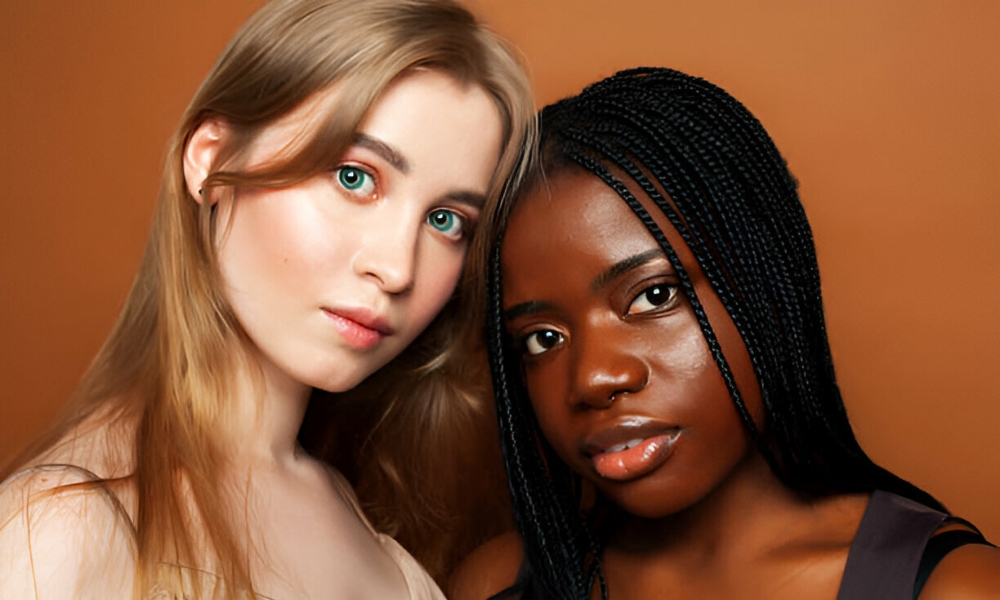
4-minute read I’ve spent a lot of time thinking about beauty—what it means, who gets to define it, and whether it’s really as inclusive as we like to think. And the more I look at it, the more I realize that Beauty or Bias Western beauty standards aren’t just about what’s considered attractive; they’re about power, control, and exclusion. As a Black woman, I’ve seen firsthand how these standards work—how they shape the way we see ourselves and each other. So, I want to share three truths I’ve discovered about the impact of Western beauty ideals on Black women. Because the reality is, beauty has never been neutral. Truth 1: Western Beauty Ideals Are Built on Exclusion There’s a memory from my childhood that I can’t seem to shake. When my dad worked at an art printing factory, he’d bring home all sorts of prints—stunning images tucked away in a cupboard. One of them was a massive picture of Marilyn Monroe. I used to pull it out and just stare, completely mesmerised by her beauty. At around eight or nine years old, I saw her as the ultimate symbol of glamour. But when I think back, I can’t remember ever admiring a Black woman in the same way at that age. Not because Black beauty wasn’t there—but because it wasn’t presented to me in the same way. That’s the thing about Western beauty ideals. They don’t just elevate a certain type of beauty—they erase others. For decades, they’ve pushed a very specific look: lighter skin, straight hair, Eurocentric features. And while this has obviously been used to marginalise women of colour, it’s also been a way to control White women who don’t fit the mold. It’s a hierarchy, and only a select few get to sit at the top. Once I realised that beauty standards weren’t just about personal preference but about a system of exclusion, I started to question everything. While I’ve never personally felt the need to hide most of my features (apart from my hair, which always seemed to be up for debate), I know many Black women have. Whether it’s relaxing curls, contouring noses, or toning down full lips, so many of us have been made to feel like we need to adjust ourselves just to be seen as beautiful. Truth 2: Conforming to Western Ideals Drains Our Energy Let’s talk about the cost of trying to fit into an ideal that wasn’t designed for us. And I don’t just mean the financial cost (though let’s be real, that’s a big one). I mean the emotional and physical energy it takes to constantly manage how we present ourselves. Black women have been speaking up more and more about the “natural hair tax”—the extra time, effort, and money it takes to style our hair in ways that are considered “acceptable.” And that’s just one example. Whether it’s spending hours on hair treatments, choosing makeup shades that “soften” our features, or feeling like we need to look polished at all times just to be taken seriously, the pressure is relentless. And for what? To meet a beauty standard that keeps moving the goalpost? Over time, I’ve found that external pressures weigh on me less than they used to. Maybe it’s age, maybe it’s experience, but I just don’t have the energy to fight battles that I didn’t sign up for. That said, I know this isn’t the case for everyone. The reality is, not everyone has the privilege of not caring. For many Black women, especially in certain workplaces or industries, the pressure to conform is real. The fight to be seen as “presentable” can be exhausting. And it’s not just frustrating—it’s unfair. Truth 3: Our Eyes Must Learn to See Black Beauty One of the biggest revelations I’ve had is that beauty isn’t just something we see. Beauty or Bias has shaped our perceptions in ways we don’t even realize. I’ll never forget a moment from my early days working at Selfridges in London. I was serving an African woman, and her features—her large, flat nose, her bold structure—reminded me of the Benin bronzes I’d seen in museums. And in that moment, I saw the beauty in them. The beauty that had always been there. But the fact that I was only just seeing it for what it was? That shook me. It made me realise how much my eyes had been trained to see beauty through a Western lens. That unless Black features were softened, slimmed down, or Eurocentrically “refined,” they weren’t considered desirable. That was the moment I knew—learning to see Black beauty isn’t just about unlearning biases against others, it’s about unlearning the ones we’ve absorbed ourselves. Final Thoughts These three truths have shaped the way I think about beauty and bias. Western beauty ideals weren’t designed to include us, and yet, for so long, we’ve been made to feel like we have to measure ourselves against them. But here’s the thing—we don’t. We don’t have to shrink ourselves, change ourselves, or spend our energy trying to meet an impossible standard. We can reclaim our beauty, not just by rejecting these ideals, but by redefining what beauty means on our own terms. Every day, I try to unlearn the biases I’ve picked up. To remind myself that beauty isn’t just what we’ve been told it is. And if you’ve ever questioned your own beauty because of these outdated, narrow ideals—let this be your reminder: there is nothing to fix. You were never the problem. Let’s rewrite the rules. Let’s reclaim the definition of beauty. And let’s make sure Beauty or Bias doesn’t decide who gets to be seen. Thanks for reading! Have you ever caught yourself seeing beauty through a Western lens? Let’s talk—drop your thoughts below.
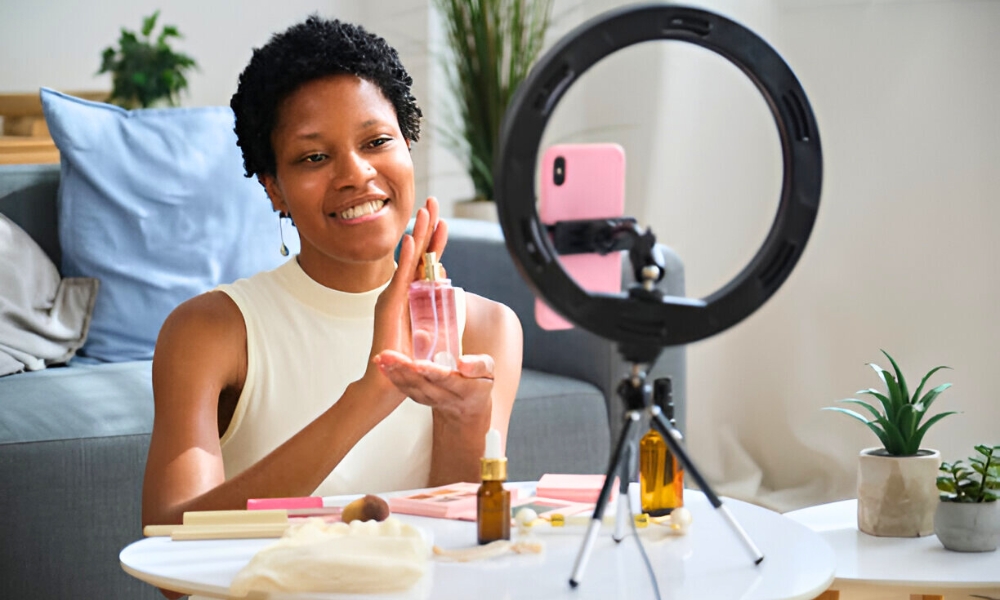
4-minute read Let’s be honest—the Hidden Agenda Behind Beauty Ads is everywhere. They follow us on our phones, pop up in our social feeds, and even sneak their way into our subconscious when we least expect it. One minute you’re just watching a YouTube video, and the next, you’re questioning if your skin is really hydrated enough because some airbrushed model is aggressively patting serum onto her already flawless face. For years, I bought into it. I wasn’t necessarily throwing my entire bank account at the beauty industry (let’s be real, that money went on food), but I was definitely convinced that if I just found the right product, I’d finally unlock my ultimate level of attractiveness. That’s the thing about beauty ads—they don’t just sell you a product, they sell you a problem first. And once you start looking for that “problem” in the mirror? Oh, they’ve got you. 1. The Art of Creating Insecurities Ever noticed how beauty ads have a magical way of making you question things you weren’t even thinking about before? One day, you’re minding your business, living your life, and then suddenly—BAM!—a glossy campaign tells you that your under-eyes are “too dark” or your pores are “too visible.” Listen, you didn’t even know you had visible pores until that ad zoomed in at a microscopic level! And just like that, you’re wondering if you need a ten-step skincare routine for an issue that didn’t even exist in your head before. That’s the game. The beauty industry thrives on our insecurities, and when they can’t find enough of them, they create new ones. Wrinkles, stretch marks, uneven skin tone, “too much” texture, “not enough” glow—there’s always something that apparently needs fixing. And because society is so deeply invested in policing women’s appearances, we don’t even question it. We just start adding more products to the cart. And let’s not pretend this isn’t targeted. Black women, in particular, are fed an extra layer of beauty insecurity, often revolving around Eurocentric standards. If it’s not our hair being called “unruly” (code for “doesn’t flow like white hair”), it’s our skin tone being erased from foundation ranges or our features being deemed “too strong” unless they’re placed on a Kardashian. 2. The “Barely-There” Lie You ever see those ads for a “natural” or “no-makeup” look and think… now wait a minute? They’ll have models with perfectly sculpted brows, dewy-yet-matte skin (how??), and lips that look like they just rolled out of bed effortlessly plump. Meanwhile, you try it, and it turns out their “no-makeup” look actually requires about ten different products, including one you must apply with a brush that costs more than your weekly food shop. The hidden agenda here? The idea suggests that beauty should be effortless—but we must constantly maintain it. It’s not enough to wear makeup, you have to make it look like you just naturally woke up with softly flushed cheeks and glowy skin. The work that goes into looking “effortless” is ironically, a lot of effort. And don’t get me started on “clean beauty” marketing. Some brands love to imply that if you’re not using their organic, all-natural, toxin-free product, then you’re basically slathering poison onto your face. Never mind the fact that half of these “clean” brands are just rebranding ingredients that have been in our kitchen cabinets for years. (Turmeric face mask? Please, our communities have been on this long before the beauty industry decided to cash in.) 3. The Luxury Status Trap Another little trick beauty ads love? Making you believe that expensive automatically means better. I’ve walked through high-end beauty counters in department stores and the way luxury brands position themselves is interesting. The sleek displays, the soft lighting, the air of exclusivity—it’s all designed to make you feel like you’re stepping into a world you should want to be part of. But let’s be real, a £200 face cream probably has the same basic ingredients as a £20 one, just with fancier packaging and a name in French. That’s the hidden agenda behind beauty Ads—the more we associate beauty with status, the more we’re willing to pay for it. It’s no longer just about looking good; it’s about having the product that makes you look like you’re part of a certain elite. And brands know this. That’s why they’ll slap “rare ingredients” on the label and hope you don’t question whether crushed pearls and unicorn tears are really necessary for clear skin. So, What’s the Solution? Look, I’m not saying don’t buy beauty products. I love a good skincare routine as much as the next person, and there’s nothing wrong with wanting to enhance what you’ve got. But what I am saying is—let’s start questioning what brands are selling us. Before you add something to your basket, ask yourself: Do I actually need this, or did this ad just convince me I have a problem? Is this brand inclusive, or am I just another afterthought in their diversity campaign? Is the price based on quality, or is it just expensive for the aesthetic? The moment you start asking these questions, you take back control. Because beauty should be fun, expressive, and your choice—not something dictated by brands who profit from making us feel like we’re not enough. So the next time an ad tries to convince you that your skin needs to be smoother, your hair needs to be sleeker, or your lips need to be plumper—just remember, you were fine before they told you otherwise. And that, my friends, is the real beauty secret—the Hidden Agenda Behind Beauty Ads is to make you think otherwise. Thank you for reading! If this post made you think twice about beauty ads, let’s talk—drop your thoughts in the comments.
4-minute read As a Black woman who grew up navigating Western beauty standards, I’ve always been acutely aware of how Western Beauty Clashes with Black Culture, creating tension between my identity and heritage. Western ideals push a version of beauty that feels exclusionary, while Black culture celebrates diversity and authenticity. This tension doesn’t just affect how we see ourselves; it’s a constant battle to resist being molded into something we’re not. Let’s explore three key areas where Western beauty standards conflict with Black culture and the profound impact this has on us. 1. The War on Our Hair Growing up, both of my parents were Rastafarians, and in our household, embracing Blackness was not just encouraged—it was a way of life. Natural hair was celebrated as a symbol of pride and heritage, and locs, in particular, represented a connection to spirituality and resistance to oppression. I was raised with a deep appreciation for the beauty of our natural textures, but society had other plans. Despite my upbringing, the pressures of Western beauty standards proved stronger. By the time I hit my teens, I was begging for relaxers. I wanted the straight, “sleek” look I saw in magazines and on TV. Later, I graduated to extensions and wigs, trying styles that felt more acceptable in a world where natural hair was deemed “unprofessional” or “unkempt.” This journey is a testament to how pervasive and powerful the media and Western beauty ideals can be, highlighting yet another way Western Beauty Clashes with Black Culture. Even when your upbringing encourages you to love and embrace your Blackness, societal pressure to conform can overshadow everything else. In Black culture, our hair is so much more than an aesthetic choice—it’s a statement of identity, creativity, and resilience. Yet, Western beauty standards continue to dismiss the versatility and beauty of Afro-textured hair. This clash forces us to constantly navigate a world that both fetishizes and rejects our natural hair, leaving many of us feeling like we have to choose between authenticity and acceptance. 2. Skin Tone and the Obsession with Lightness Colourism, deeply rooted in colonialism, remains one of the most painful ways Western beauty ideals impact Black women. The unspoken rule that lighter skin is more desirable permeates everything from media representation to product advertising. Growing up, I keenly noticed how often people celebrated lighter-skinned women as the epitome of beauty. People often relegated darker-skinned women to the background or portrayed them using unflattering stereotypes. It was a harsh reminder that society didn’t see all Black women as equally beautiful. In Black culture, our skin tones represent a spectrum of beauty, richness, and heritage. The darker the berry, the sweeter the juice. But Western beauty standards have convinced many of us otherwise. The prevalence of skin-lightening products and the lack of representation for darker-skinned women reinforce a message that lighter is better. While there’s been some progress in recent years—thanks to brands like Fenty Beauty and movements advocating for greater diversity—there’s still a long way to go. The harm caused by colourism doesn’t just vanish with more inclusive ad campaigns. The work to undo this deeply ingrained bias has to happen both externally and internally. 3. Body Image and the Ideal Shape Black culture has always celebrated a diversity of body types, embracing curves, hips, and fuller figures long before it was trendy. Western beauty standards, on the other hand, historically favoured slim, almost waif-like physiques, labelling curvier bodies as unhealthy or undesirable. In recent years, however, Western beauty ideals have started to catch up. More people are acknowledging that “skinny isn’t better,” and they now recognise curvier bodies as healthy and beautiful too. But even this shift comes with its complications. The “ideal” curvy body now promoted—featuring a slim waist, wide hips, and a round backside—is not attainable for everyone. It’s a specific shape that often feels exclusionary, even as it claims to celebrate diversity. This new standard reflects what Black and brown people have always known: beauty isn’t one-size-fits-all. But it also creates new pressures, pushing many women toward dangerous measures to achieve a shape that doesn’t come naturally to them. For Black women, it’s a bittersweet reminder that while people now appreciate our curves, they often celebrate them in ways that still make many of us feel excluded. Moving Forward The clash between Western beauty standards and Black culture is complex, but it’s also an opportunity for change. One of the most empowering things we can do is define beauty on our terms. This doesn’t mean rejecting makeup, wigs, or any of the things that help us feel beautiful. It means making choices for ourselves, not because we feel pressured to conform but because they bring us joy. Black women have always been innovators in beauty, from intricate braided hairstyles to bold makeup looks, and we deserve the freedom to express ourselves however we choose. Representation is essential, but so is self-compassion. The journey to self-acceptance isn’t linear, and the pressures we face are real. Whether you’re rocking a natural Afro, a sleek wig, or a bold red lip, your beauty is valid, and so is your choice to embrace what makes you feel confident. To my sisters reading this: let’s continue to challenge the standards that don’t serve us, celebrate the features that make us unique, and support one another in every way possible. Because when we define beauty for ourselves, we create space for the next generation to do the same.
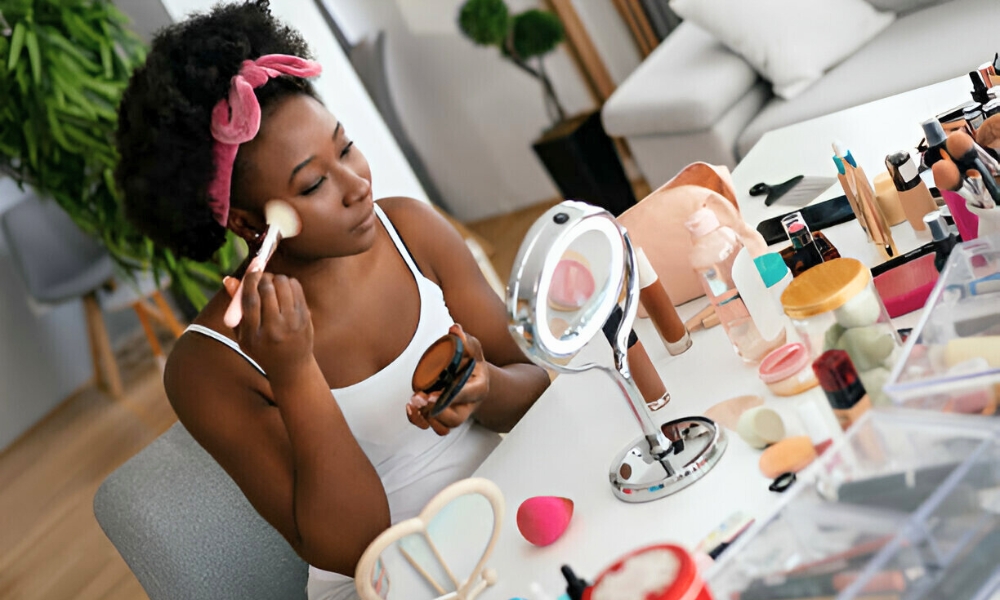
I’ve always loved makeup. There’s something magical about the way a bit of colour here, a little highlight there, can transform your look—and your mood. But I’ve also always been conscious about wearing too much. In a world shaped by Eurocentric Beauty Rules, there’s often an unspoken expectation of what’s considered ‘too much’ or ‘too little. I could never abide the thought of being one of those women people whisper about for “caking it on.” For me, makeup has always been about balance: enhancing what’s already there while leaving room for my natural beauty to shine through. Half the fun of raving or a night out isn’t just the party itself; it’s the ritual beforehand. It’s doing your hair, perfecting your makeup, and deciding on the right outfit. There’s a joy in the process of getting ready—a moment to connect with yourself and channel your energy into how you want to present to the world. Makeup, for me, has always been a way to express myself. But despite the joy it brings, makeup comes with its complexities, particularly for Black women. From the products available to the trends we’re expected to follow, there’s no denying the Eurocentric slant in the beauty industry. And yet, Black women have always found ways to thrive in this space. We’ve known how to adorn ourselves for centuries. A Historical Legacy of Adornment The relationship between Black women and makeup didn’t start with contour palettes or winged eyeliner. It started long before colonization in the rich and varied traditions of African tribes. Across the continent, people have used makeup and adornment to express identity, share stories, and convey meaning. In many West African cultures, for example, people used intricate facial markings made with natural pigments to signify tribal affiliation, social status, or even spiritual beliefs. In the Himba tribe of Namibia, women use otjize, a mixture of butterfat and red ochre, to cover their skin and hair. It’s not just about beauty—it’s a powerful cultural practice that connects them to their heritage and protects their skin in the harsh climate. From ceremonial body painting to elaborate hairstyles adorned with shells and beads, Africans have always understood the power of self-expression. These practices weren’t just about aesthetics—they were deeply symbolic, denoting everything from age and marital status to rank within a community. This history of adornment is something we carry in our DNA. It’s why Black women have such a natural knack for makeup. Despite the lack of representation in the mainstream beauty industry, we’ve always found ways to make it work. Even when Eurocentric Beauty Rules dictated narrow ideals, Black women have continuously innovated and redefined beauty on their terms. From blending the wrong shades to creating the right match to creating trends the world would later imitate, we’ve been innovators in this space long before it was “cool.” Makeup as Celebration Understanding this history reframes the way we approach makeup today. While there are undeniable issues with Eurocentric beauty standards, there’s also a sense of celebration and empowerment that comes with wearing makeup. For Black women, it’s not just about covering up flaws or fitting into a mold—it’s about enhancing and celebrating who we are. I think about the bold lipsticks we wear that light up a room, the way we carve our brows to perfection, or the way we blend our eyeshadow with artistry and precision. Black women have taken makeup and made it our own, using it to highlight the features that make us unique rather than conforming to what society says we should look like. And while the Eurocentric slant in the industry persists—think of contouring techniques designed to narrow the nose or “natural” looks that still lean into light skin and subtle features—we’ve found ways to push back. Brands like Fenty Beauty have shifted the narrative, offering shades and products that truly cater to us. But even before that, we were mixing, matching, and hacking the system to make makeup work for us. The Complexity of Eurocentric Rules Still, we can’t ignore the weight of Eurocentric beauty standards. The influence of Eurocentric Beauty Rules is deeply ingrained, shaping everything from foundation shades to the techniques promoted by major brands. They influence everything from the products available to the trends we’re told to follow. I can remember being told to “soften” my features with makeup—to make my nose appear smaller or to stick to neutral shades that wouldn’t draw too much attention. These subtle suggestions all stem from the same root: the idea that Afrocentric features are less desirable. Yet, even as we navigate these pressures, it’s important to remember the truth: we don’t have to play by their rules. Makeup should be a tool for self-expression, not a mask, to make ourselves more palatable to the world. A Celebration of Choice Black women have always known how to adorn themselves. From our ancestors painting their bodies with natural pigments to us perfecting our winged eyeliner in the bathroom mirror, makeup has always been a form of art and expression. So, are you living by Eurocentric beauty rules? It’s worth reflecting on. But remember, the power lies with you. Whether you choose a bold, colourful look or prefer a subtle, natural vibe, the most important thing is that it feels authentic to you. And let’s not forget: every time we pick up that brush or lipstick, we’re continuing a legacy of adornment and self-expression that’s as old as time. So go ahead—embrace makeup on your terms, honour your history, and always remember that your beauty is undeniable, with or without it.