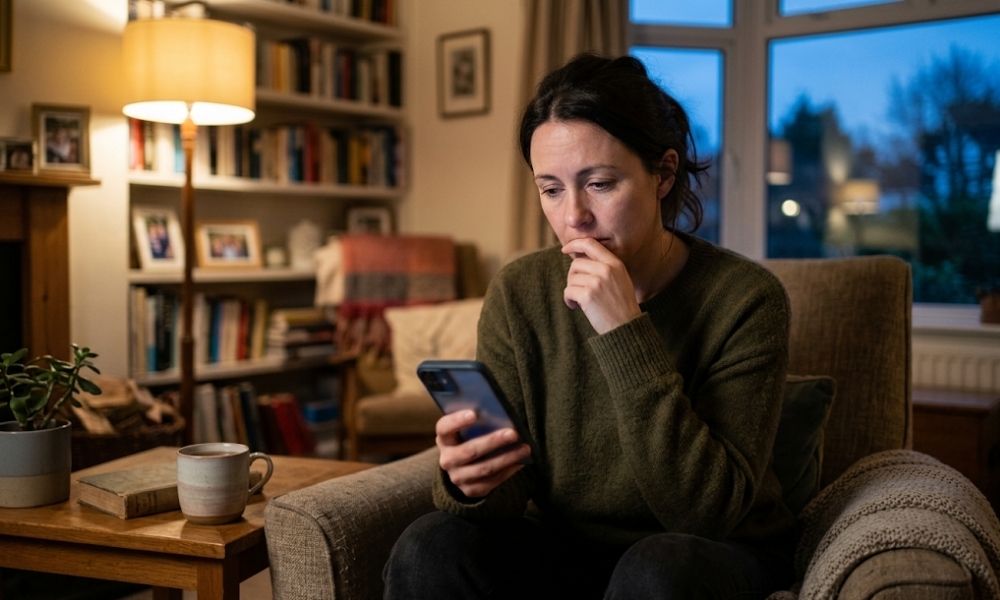
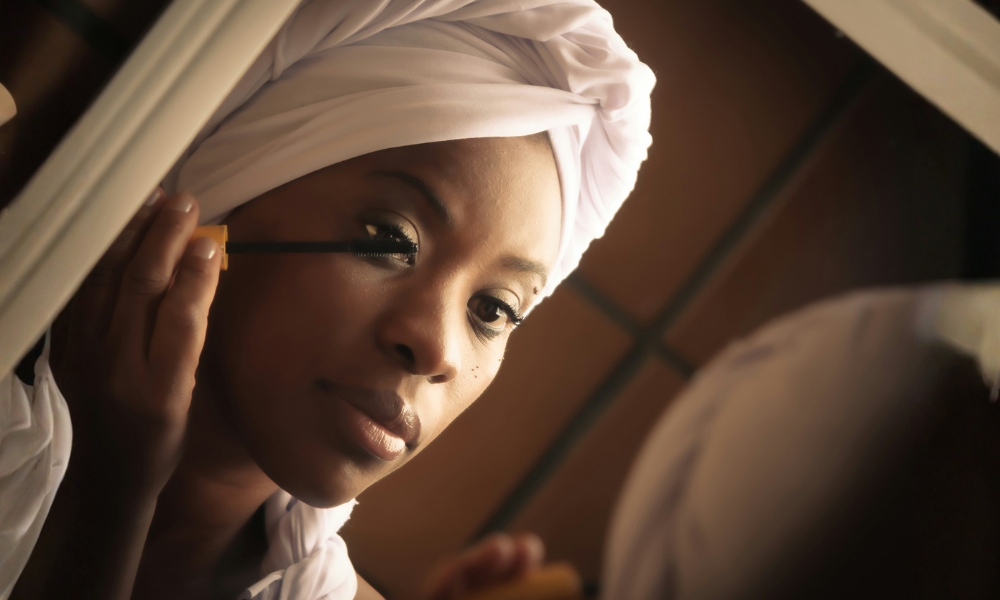
There might come a moment, as a mother, where you catch a glimpse of yourself in the mirror and don’t quite recognise the woman looking back in this struggle of motherhood vs sexual identity. Not because you look terrible. But because somewhere between the school runs and the packed lunches and the endless negotiations about bedtime, you went missing.
Not your body. You.
The woman who used to get dressed with intention. Who wore something because it made her feel like herself, not because it was easy to move in. Who existed, fully, in her own skin — not just as someone’s mum.
It’s a quiet disappearance. That’s what makes it so easy to miss.
Prefer to listen?
Listen to the full article below.
Motherhood asks a lot. And for Black mothers, it asks even more. There’s the weight of raising children in a world that won’t always see them clearly. There’s the emotional labour that rarely gets named out loud. And there’s the expectation — soft but firm, the way most expectations are — that a good mother gives everything. That her needs come last. That desire, sensuality, the simple wish to feel wanted, belongs to a version of herself she’s agreed to leave behind.
You’re a mum now. That’s enough.
Except it isn’t. And you know it isn’t. Even when you feel guilty for knowing.
There’s something particular about the way Black womanhood and motherhood get pressed together. The Strong Black Woman. The nurturer. The one who holds it all together without complaint. These aren’t just ideas that live in other people’s heads — they get inside your own. You start performing them without realising.
You start believing that wanting to feel desired is somehow at odds with being a devoted mother. That keeping yourself feeling alive is a luxury. An indulgence.
It isn’t.
Feeling like a woman — a full woman, not just a functional one — isn’t something you earn back once you’ve done enough mothering. It’s not a reward waiting for you on the other side of the children leaving home. It’s yours now. It always was.
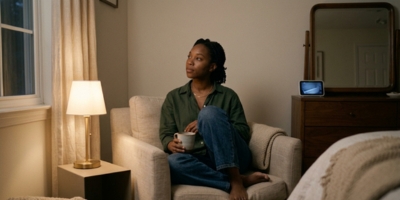
And yet.
But who has the time?
I can’t think about myself like that right now.
It feels selfish.
That last one does the most damage. Selfish. As if wanting to feel attractive, or sensual, or simply seen as a woman, makes you a worse mother. As if your children need you hollowed out rather than whole.
Here’s what doesn’t get said enough: children don’t need a martyr. They need a mother who knows who she is. Who shows them, just by living, that women are allowed to take up space. That desire isn’t shameful. That a woman can love her children fiercely and still belong, without apology, to herself.
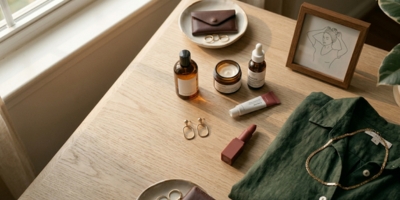
The balance people talk about — motherhood and identity, giving and keeping — it’s rarely about grand gestures. It’s not about booking a spa weekend or carving out two hours every morning. It’s smaller than that. More honest.
It’s getting dressed and asking yourself: do I feel like me in this?
It’s keeping alive the parts of yourself that existed before the children came. Your sense of humour. Your curiosity. The way you carry yourself when you feel good in your skin.
It’s remembering that feeling desired — by a partner, or simply by yourself when you look in the mirror — isn’t a distraction from motherhood. It’s part of being whole. And your wholeness isn’t separate from your mothering. It feeds it.
None of this is easy to hold onto. The guilt has its own logic. The exhaustion is real. The weight of what a Black mother is supposed to look like — selfless, steady, inexhaustible — doesn’t dissolve just because you can name it.
But naming it is somewhere to start.
I am allowed to want to feel like a woman.
That doesn’t make me less of a mother.
Both things are true.

If any of this landed somewhere tender, the Self-Reflection Journal for Black Parents at samanthiaclarke was written for exactly this kind of reckoning. Not to give you answers — just to give you space to hear yourself think.
Writing has a way of returning you to yourself. Not by solving anything, but by letting you say the things you haven’t quite found words for yet. If something here stirred something in you, that’s worth sitting with. You don’t need a breakthrough. Just write.
– The last time I felt fully like myself — not as a mother, but as a woman — was…
– Since becoming a mother, the parts of me I’ve quietly set aside include…
– When it comes to what I’m allowed to want, the story I keep telling myself is…
– When I imagine feeling truly desired and seen, what comes up for me is…
– The one small thing that makes me feel alive is… and the last time I did it was…