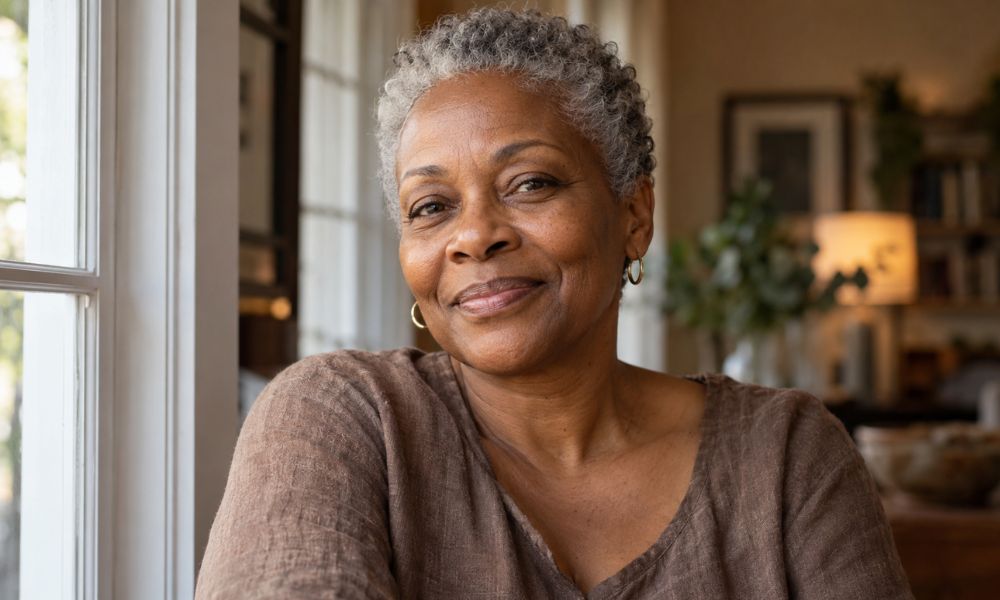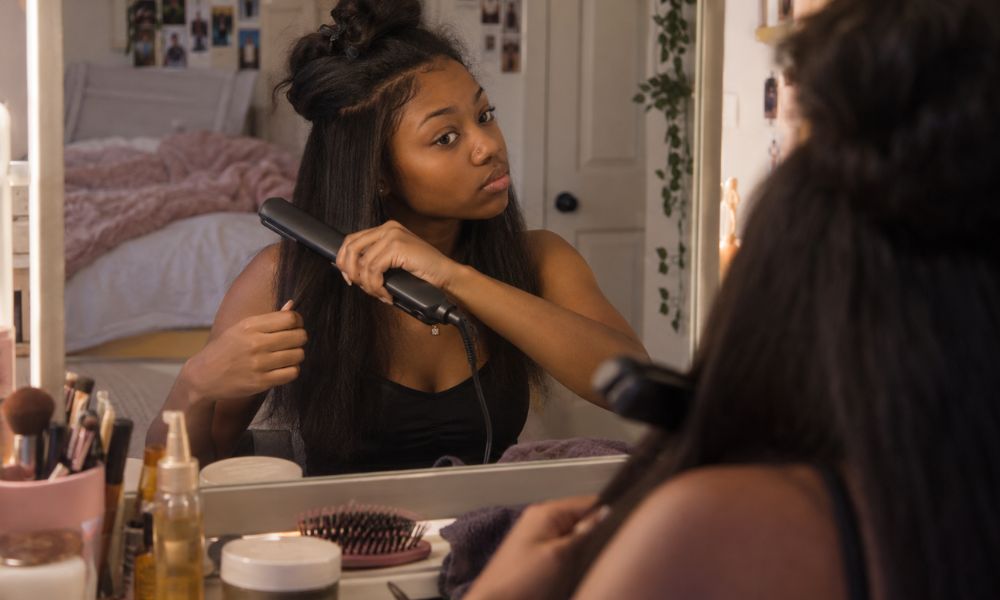
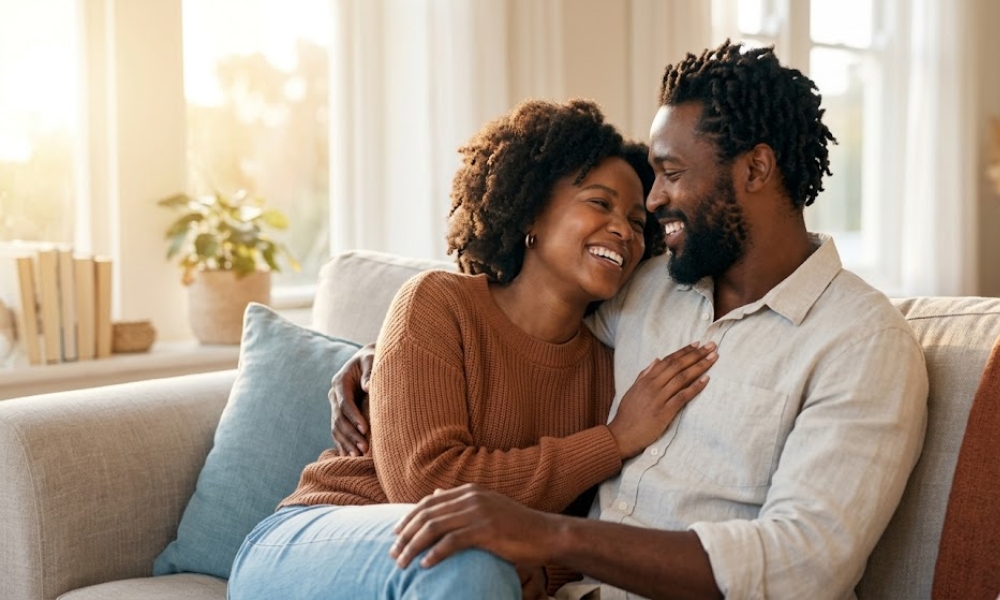
There’s an ongoing conversation in the Black community about beauty that often goes unnamed. You hear it in comments about hair, in women featured in music videos, and in who gets called beautiful without conditions. The reality is that sometimes — not always, but sometimes — Eurocentric beauty standards shape the idea of beauty in Black relationships, and those standards aren’t actually Black at all.
It’s borrowed. And it’s worth asking where it came from, and what it’s costing.
Prefer to listen?
Listen to the full article below.
Eurocentric beauty standards didn’t happen by accident. They were built and enforced over centuries through colonialism, slavery, and media that elevated one particular look while sidelining others:
These standards are deeply ingrained because they often slip in quietly — through what gets called pretty, professional, or desirable. When these images are absorbed from childhood, it subtly trains our eyes without conscious awareness.
Examples include:
These comments are not rare—they live inside Black homes, relationships, and communities. The conditioning is long-standing, not because Black people are uniquely prone to internalizing harm, but because it has persisted for generations.
When beauty standards inside a community are shaped by external forces that do not affirm Blackness, it creates a quiet but real split. Some Black men may grow up with an idea of attractiveness that favors European features over natural African ones.
Features like dark skin, natural hair, broader noses, and fuller lips—distinctly African—can, in this distorted frame, be seen as things to tolerate rather than desire.
Even when nothing is said out loud, Black women often notice:
Questions that may arise internally:
These questions shape self-perception, self-love, and comfort in one’s own body.
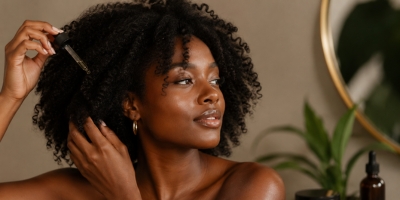
This isn’t an attack on Black men. Both men and women are subject to the same conditioning — the same images, the same long-term social project of making Blackness feel like it needs adjusting to be desirable.
Colorism shows up in female friendships, and light-skin privilege exists across the community. Taking on Eurocentric beauty standards is a community issue, not a gender one. It affects relationships in multiple directions.
Naming these standards allows individuals to recognize preferences for what they are:
This awareness gives a new choice—not to change attraction overnight, but to reflect honestly on beauty, love, and relationships:
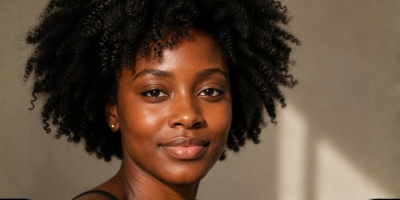
Consider what’s lost when beauty ideals are always somewhere else. Features that carry African heritage—textures, tones, shapes—are ancestral and beautiful.
Choosing to see these features as genuinely beautiful is more than aesthetics:
The Afro Woman Collection at samanthiaclarke.com/shop is designed to affirm Black womanhood through hoodies, jumpers, t-shirts, and mugs. These items are daily reminders of what’s worth affirming, not as statements, but as quiet, consistent reinforcement.
Writing can surface thoughts you didn’t know you carried. Consider these prompts: