Hey there, Black families! Let’s have a conversation about something that probably hits close to home—parenting styles. Specifically, there is ongoing debate over whether the way our parents raised us (good ol’ “old-school” parenting) is better or worse than the approaches we use today. You’ve probably heard it all before: “Back in my day, we didn’t talk back,” or “Kids today don’t know how to respect their elders.” Sound familiar? It’s a real conversation in many Black households, whether you’re reflecting on your childhood or thinking about how you’re raising your kids. There’s always this lingering question: Which parenting style builds stronger Black families? So, let’s examine old-school vs. new-school parenting and determine what we can learn from each to raise confident, resilient, and loving Black children. Old-School Parenting: Tough Love, Discipline, and Respect If you grew up in a Black household in the ’70s, ’80s, or ’90s, chances are, old-school parenting ruled your life. This style was all about respect for elders, strict discipline, and tough love. The phrase “spare the rod, spoil the child” was more than a saying—it was a way of life. How many times did you hear, “Because I said so,” when you questioned a rule? Or maybe you remember those moments when “getting a beating” wasn’t just a threat. Old-school parenting didn’t leave much room for explanations or emotional discussions. The focus was on following rules, staying in line, and—most importantly—keeping the family name strong. The Roots and Reasons Behind Tough Love For many Black families across the diaspora, this style of parenting had deep roots in survival. Our ancestors faced slavery, colonization, and institutionalized racism that required strict rules and respect to keep families safe and intact. Black parents weren’t just raising children—they were raising survivors who had to navigate hostile and unfair societies. Take for example how many of us grew up with that constant warning: “Don’t embarrass me in front of these white folks.” It wasn’t just about discipline—it was about protection. Parents knew that being labeled as “the troublemaker” could follow Black children for life. So, they parented tough. They wanted us to stay on the straight and narrow because veering off that path could be dangerous, particularly for Black kids. But let’s be real—while old-school parenting had its strengths, it also had its downsides. Sure, you learned to respect and discipline, but maybe you also learned to bottle up your emotions. There wasn’t always space to express how you felt, because that wasn’t the priority. You knew you were loved, but maybe you didn’t always feel seen in the ways you wanted to be. And sometimes, the punishments were harsh. Take for instance that time when your cousin got in trouble at school for talking back to a teacher. Rather than having a conversation about what led to the outburst, the focus was solely on punishment—being grounded for weeks, maybe even getting whipped with a belt. The intention was to correct the behavior, but it might have left them feeling unheard and hurt. These methods often came from a place of fear—fear of what the world would do to a Black child seen as “out of line.” New-School Parenting: Communication, Emotional Awareness, and Independence Fast forward to today, and you’re probably seeing a very different parenting style in Black families. New-school parenting leans heavily into emotional awareness, open communication, and fostering independence in kids. You’re not just telling your kids what to do—you’re explaining the “why” behind it. You’re not just shutting down their feelings—you’re encouraging them to express themselves, even when it’s uncomfortable. The shift from “Because I said so” to “Let’s talk about it” is a big one. In new-school parenting, you’re raising children to think critically, understand their emotions, and ask questions. You want them to be independent thinkers, not just rule-followers. For instance, when your child acts up in school, instead of immediately grounding them or doling out punishment, maybe you sit them down and ask, “What happened today? How were you feeling when that happened?” You’re giving them space to reflect, and you’re teaching them that it’s okay to talk about their feelings. This approach creates a relationship built on trust, rather than fear. The hope with new-school parenting is that this emotional connection builds a stronger, more supportive family unit. You’re not just raising kids who respect authority—you’re raising kids who respect themselves, communicate their needs, and aren’t afraid to be vulnerable. But let’s not ignore the critics. Maybe you’ve heard older family members say things like, “These kids are too soft,” or “Kids today have no respect for their elders.” The belief here is that in focusing so much on emotional well-being, new-school parenting might be losing some of the structure and discipline that held Black families together for generations. Finding Balance: The Best of Both Worlds So, which one is better—old-school or new-school parenting? Honestly, the answer probably lies somewhere in the middle. You don’t have to choose between being strict and being understanding. The most successful Black families today likely draw from both approaches, creating a balance that works for their kids and the times we’re living in. Think about it like this: There’s nothing wrong with teaching your kids the value of respect, discipline, and hard work. Those are values that have helped Black families survive and thrive through some of the hardest times in history. But at the same time, today’s world is different. Our kids need emotional tools to handle the challenges they face now. They need to know it’s okay to cry, to ask for help, and to speak up when they’re struggling. It’s like when you take the time to sit your child down after a tough day at school. You tell them, “I know you’re upset, but there’s a way to handle it without getting into trouble.” You’re balancing the lesson of discipline with emotional support, and that’s powerful. Building Stronger Black Families At the end of the day, whether you lean more towards

Let’s have a real conversation today about something that often comes up in our community but isn’t always easy to talk about: the concept of “selling out.” If you’ve ever had to explain to your child why they’re being called a “sellout” for the way they talk, act, or even the things they enjoy, you know it’s a conversation full of layers. It touches on identity, race, loyalty, and the pressure to fit into certain boxes—things that are complicated for adults, let alone kids trying to find their way in the world. So, how do you help your children understand this idea of “selling out” without making them feel like they have to choose between being authentically Black and pursuing their interests or success? Let’s talk about how to navigate these tough discussions, strengthen their sense of identity, and ultimately raise confident, proud Black children who know exactly who they are. What Does ‘Selling Out’ Really Mean? First off, what are we even talking about when we say “selling out”? In Black communities, the term is often used when someone is seen as abandoning their cultural roots to fit into white spaces or achieve success in ways that seem disconnected from their Blackness. It could be about the way they talk, the music they listen to, the people they hang out with, or even the career choices they make. Maybe you’ve heard it yourself or seen it play out in the media. Think of rappers or entertainers accused of “selling out” when they crossed over to more mainstream, often whiter, audiences. Or maybe as you were growing up, people teased you for ‘talking white’ because you used proper grammar in school. It’s not an easy concept to explain to a child, especially because it touches on the idea that being successful or different might somehow make them less connected to their Black identity. But here’s the thing: your child doesn’t need to internalize this idea. Empower others to embrace their Blackness by showing them that others’ opinions do not define it, but their own identity does. An Anecdote: A Child’s First Encounter with ‘Selling Out’ Let me tell you about a situation a friend of mine encountered with her son, Jamal. He’s a bright, curious kid who loves science and reading. He’s also into classical music, which isn’t exactly what his friends at school are listening to. One day, after telling his classmates about the new orchestra piece he was learning, one of them called him a “sellout” for liking what they considered “white people’s music.” Jamal came home confused and hurt. His mom, equally frustrated, sat him down to explain that his interests didn’t make him any less Black. She told him, “Jamal, you get to love what you love and still be proud of who you are. Black people created soca, blues, reggae, hip-hop, and yes, some of us also love classical music. What other people think is Black enough doesn’t define your Blackness. You define it.” This kind of conversation is crucial because it touches on a fundamental truth: there’s no one way to be Black. Our history, culture, and experiences are so rich and diverse that boxing ourselves into one version of Blackness does a disservice to that richness. As a parent, you can help your child see that and embrace it. A Legacy of Survival and Adaptation To understand the weight of “selling out,” you need to look at where it comes from. Historically, Black people across the diaspora have had to navigate spaces that weren’t built for us. From the forced adaptation during colonization and slavery to navigating systemic racism in modern-day society, there has often been a pressure to conform to survive. In many Black communities, this survival strategy meant learning to walk a fine line. In the Caribbean, for instance, during colonial times, some Black people had to take up European customs to gain certain privileges. Africa, many had to adopt Western education systems to thrive. This need to balance survival and authenticity is passed down, and sometimes, it shows up as fear when someone seems to be distancing themselves from their roots. You might have heard someone in your family say, “Don’t forget where you came from,” or “Don’t get too comfortable in those white spaces.” These sentiments often come from a place of fear—fear that the pursuit of success in predominantly white environments might erode cultural ties. However, the challenge now is how to help your kids navigate these spaces without making them feel like they have to compromise their identity. How to Talk to Your Kids About ‘Selling Out’ Start by having an open, honest conversation about what “selling out” means and why it’s such a charged topic in our community. Explain that historically, there’s been pressure for Black people to either conform to or push back against white-dominated spaces. Sometimes, people will accuse others of losing touch with their Blackness when they don’t meet certain expectations. More importantly, remind your kids that Blackness is not a monolith. Our culture is vast and full of diverse experiences. Whether your child is into anime, skateboarding, or coding, that doesn’t take away from their Blackness. Encourage them to embrace all parts of themselves. Affirm Their Identity: Make sure your kids know that their Blackness is not up for debate. Tell them that being Black is about more than just surface-level markers like the music they listen to or the way they speak. It’s about pride in who they are and where they come from. Their heritage and their sense of self define their Blackness—not other people’s judgments. Discuss the Value of Versatility: Explain that being able to navigate different spaces—whether it’s at school, work, or socially—is a strength, not a weakness. It doesn’t mean they’re less Black. It means they’re adaptable and resilient, two qualities that have always been at the heart of the Black experience. Challenge the Concept of ‘Acting White’: Help your child understand that intelligence, curiosity, and
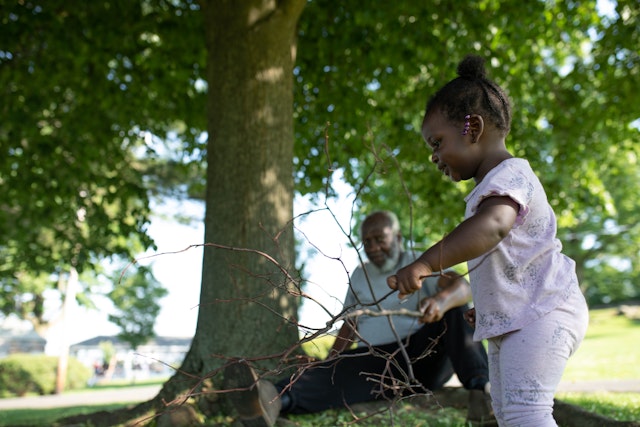
In the whirlwind of today’s world, it’s all too easy. To lose sight of the profound wisdom handed down by those who walked before us. You, as Wisdom for Black Parents, stand upon the foundations laid by generations who faced challenges with a resilience and grace that continue to inspire. This post invites you to reflect on five timeless lessons from our elders, exploring how these enduring truths can illuminate your path in nurturing and guiding the next generation. Lesson 1: Resilience in the Face of AdversityYour forebears faced trials that are hard to fathom, from the depths of slavery to the ongoing struggles for equality. Their journey, marked by unwavering resilience, offers a powerful blueprint for overcoming adversity. In your role as a parent, you have the opportunity to teach your children the value of perseverance, drawing from the well of strength that runs through your lineage. When challenges arise, as they inevitably will, remind your children. And yourself of the power that lies in standing firm and moving forward. Share the stories of your ancestors with them, weaving tales of resilience into the fabric of your family and encouraging them to embrace their heritage as a source of strength Lesson 2: The Value of Education Wisdom for Black Parents Education has long been a beacon of hope and a tool for empowerment within the Wisdom for Black Parents community. Your elders knew this well, striving to learn and grow even when doors were unjustly closed in their faces. Emphasize to your children the transformative power of knowledge, nurturing in them a love for learning that transcends the confines of the classroom. Encourage their curiosity, support their academic endeavours, and foster an environment where questions are celebrated, and critical thinking is cultivated. By valuing education, you equip your children with the keys to unlock doors of opportunity and paths to personal fulfilment. Lesson 3: The Importance of Community The sense of unity and mutual support that has been a cornerstone of Wisdom for Black culture is a testament to the strength found in togetherness. Teach your children the value of community, of reaching out, and building bridges of understanding and support. In an era where digital connections often eclipse face-to-face interaction, remind them of the richness that real-world relationships bring. Involve your family in community activities, whether it’s through cultural events, service projects, or simply by fostering warm relationships with neighbours and friends. Show your children that by lifting others, we rise together, and in unity, there is an unbreakable strength. Lesson 4: The Legacy of Respecting Elders Wisdom for Black Parents Respect for elders is a sacred thread that runs through the fabric of African and African American cultures. It’s a principle that embodies reverence for those who have paved the way, offering wisdom and guidance drawn from a well of lived experience. Model this respect in your own life and encourage your children to listen, learn, and value the elders in their lives. Create opportunities for intergenerational connections, bridging the gap between young and old. These relationships are a precious resource, enriching your children’s lives with wisdom, perspective, and a profound sense of continuity. Lesson 5: The Power of Faith and Spirituality The role of faith and spirituality in offering solace, strength, and guidance cannot be overstated. Your ancestors leaned on their spiritual beliefs through the darkest of times, finding light and hope in their faith. Instil in your children the importance of a spiritual foundation, whatever form that may take, guiding them to discover and nurture their own connections to faith. Whether through communal worship personal meditation. Or family prayer, encourage your children to explore and grow their spiritual selves. Encourage them to draw upon their faith in times of need, discovering comfort, guidance. And strength in knowing they are never truly alone. Ultimately, the teachings from our elders are more than memories of the past. They are guiding lights for our present and future. As you guide your children through life’s challenges, let these enduring principles. Of resilience, education, community, respect, and faith serve as your foundation. By upholding these values, you preserve a legacy of wisdom, strength. And love that will continue to inspire and uplift future generations.

Hey there, incredible Black families! Today, let’s delve into something profoundly significant—the precious bond you share with your children. As you navigate the path of parenthood, aiming to provide the best for your little ones, it’s crucial not to overlook the essence of the connection that binds you together. So, take a moment, settle in, and let’s explore essential relationship goals that will empower you and your children to journey into the future hand in hand. Cultivate Open Communication The cornerstone of any strong relationship goals? Communication. Engaging in genuine conversations with your children is about more than directives; it’s about fostering an environment where they feel seen and heard. Let’s say, for example, your child comes home with a poor grade on a test. Instead of resorting to “tough love” by scolding them and dismissing their feelings, take a different approach. Sit down with them and ask what happened. Maybe they were struggling with the material, or perhaps something else was on their mind that day. By opening up the lines of communication, you show them that their thoughts and emotions are valued, and you can work together to find a solution. Embracing transparency with your children is also pivotal. It’s okay to acknowledge when you’re uncertain or when you’ve stumbled. This openness not only teaches the importance of honesty and vulnerability but also reinforces the human aspect of our journeys, fostering a deeper bond of understanding and mutual respect. Foster Trust and Respect Trust and respect are the bedrock of any nurturing relationship goals. Empowering your children with the autonomy to make decisions and trusting them to navigate their choices is essential. This doesn’t imply a laissez-faire approach but rather provides them with the liberty to explore, make mistakes, and learn. Consider this scenario: your teenager wants to go to a party with their friends. Instead of immediately shutting them down with a strict “no” out of fear, have a conversation. Ask them about the party, who will be there, and what their plans are. By showing that you trust them to make responsible choices and by respecting their need for independence, you strengthen the bond between you. Moreover, it’s essential to acknowledge the impact of how you were raised on your communication style. Many Black parents grew up in households where “tough love” was the norm, which might have led to a communication barrier with their children. Recognizing this and making a conscious effort to break the cycle by fostering open, honest dialogue can help bridge that gap and strengthen your relationship with your kids. Share Quality Time Together Despite life’s whirlwind, carving out moments to connect with your children is invaluable. Engaging in activities, embarking on new adventures, or simply cherishing quiet moments together nurtures your bond and crafts memories that endure. Let’s say your child is struggling with a school project. Instead of simply telling them what to do, sit down with them and work on it together. Use it as an opportunity to bond, share experiences, and impart wisdom. By spending quality time together, you create a space where your child feels loved, supported, and valued. Utilize these occasions not just for leisure but as a platform for teaching essential skills and moral principles, whether through collaborative tasks, creative projects, or community involvement. In wrapping up, the bond between you and your children is a treasure beyond measure. By prioritizing open communication, fostering a foundation of trust and respect, and consciously investing in quality time together, you’ll fortify this connection, guiding each other toward a future filled with mutual understanding, support, and love. Let’s commit to these goals, nurturing a family dynamic that flourishes with every step you take together.

If there’s one thing you’ve learned on this rollercoaster journey called parenting, it’s the undeniable power of connection. From those sleepless nights with a newborn to the chaotic days of toddlerhood and beyond, it’s the connections you forge with your children that carry you through the ups and downs. So, let’s dive into the heart of parenting and explore how nurturing connections can be your guiding light through the storm. Embracing Imperfection First and foremost, let’s kick things off with a little truth bomb: parenting is messy. Like, messy. And you know what? That’s okay. It’s more than okay—it’s beautiful. Because within those messy moments lie opportunities for connection, growth, and love. Remember that time your youngest decided to finger paint with breakfast cereal all over the kitchen floor? Instead of freaking out (okay, maybe you freaked out a little), you took a deep breath and joined in the fun. You laughed, you made a mess, and in that moment, your bond grew stronger. So, embrace the mess. Embrace the imperfection. It’s all part of the journey. The Power of Presence In today’s fast-paced world, it’s easy to get caught up in the hustle and bustle of everyday life. But amidst the chaos, never underestimate the power of simply being present with your child. Put down your phone, turn off the TV, and truly engage with them. Listen to their stories, share in their laughter, and hold them close during the tough times. Remember the day your daughter came home from school in tears? Instead of launching into problem-solving mode, you simply sat with her, holding her hand and letting her know you were there for her. No words were needed—just your presence. And in that moment, you realized the incredible impact of being fully present with your children, even when it’s uncomfortable or inconvenient. Finding Joy in the Little Things Parenting can be overwhelming at times, but amidst the chaos, there are countless moments of joy waiting to be discovered. It’s all about shifting your perspective and finding beauty in the little things. Take, for example, your family’s Friday night dance party tradition. With no agenda or expectations, you crank up the music and let loose in the living room. It’s a time for laughter, silliness, and pure joy. And you know what? Those simple moments of connection are some of the most cherished memories you’ve created as a family. Nurturing Connection Through Communication Communication is the lifeblood of any relationship, and the parent-child dynamic is no exception. But effective communication goes beyond just talking—it’s about truly listening and validating your child’s feelings and experiences. Remember the day your son came to you with a problem at school? Instead of jumping in with advice or dismissing his concerns, you took the time to listen. You let him express himself without judgment and brainstormed potential solutions together. It was a powerful reminder of the importance of open, honest communication in nurturing strong connections with your children. Cultivating Self-Compassion Last but certainly not least, let’s talk about the importance of self-compassion in the parenting journey. As parents, you’re often your own harshest critics, but it’s crucial to remember that you’re only human. You’re going to make mistakes, and that’s okay. You’ve had your fair share of parenting fails—from burnt dinners to missed bedtime stories. But instead of beating yourself up, you’ve learned to show yourself the same compassion and understanding that you show your children. When you practice self-compassion, you model resilience and self-love for your children, laying the foundation for healthy relationships and mental well-being. Closing Thoughts So, there you have it—foundational aspects of parenting centered around the power of connection. Embrace the mess, prioritize presence, find joy in the little things, nurture open communication, and cultivate self-compassion. These are the threads that weave together the fabric of your relationships with your children, guiding you through the joys and challenges of parenthood. Remember, you’re not alone on this journey. We’re all in this together, navigating the twists and turns of parenting with love, grace, and plenty of laughter along the way. Here’s to embracing the messy, beautiful, imperfect adventure of parenthood—one connection at a time.

Navigating through the world as a Black parent, you’re acutely aware of the pivotal role education plays in your child’s future. It’s a gateway to opportunities and the realisation of dreams. Yet, there’s an underlying challenge that can’t be overlooked: educational racism. It’s pervasive and significantly impacts your Black children. What steps can you take to empower your children and ensure their success against these systemic barriers? Here are three actionable strategies to bolster your children’s educational journey. 1. Boost Their Confidence and Pride Firstly, it’s crucial to instil a robust sense of identity and self-worth in your children. Engaging in open conversations about race, racism, and the rich tapestry of your heritage is essential. Although these discussions might be difficult, they’re fundamental in helping your kids understand their history, culture, and the legacies of Black excellence. Celebrating your roots can imbue your children with confidence and pride, enabling them to stand resilient in the face of societal challenges. Consistently affirm your children’s potential and brilliance. They should know without a shadow of a doubt that they are intelligent, talented, and capable of surpassing any goal. Combat the harmful stereotypes and biases that might hinder their aspirations by reinforcing their value beyond academic achievements. Encourage your children to pursue their interests and passions wholeheartedly. Whether it’s athletics, arts, sciences, or any other field, supporting their dreams and authentic self-expression is key to their growth and happiness. 2. Stand Up for Equity and Inclusion Your role as an advocate for your children is critical. It’s imperative to challenge any form of unfair treatment and advocate for equal opportunities in educational settings. Become actively involved in your child’s education by participating in parent groups, attending school board meetings, and voicing your concerns and aspirations for change. Advocate for a more diverse teaching staff, an inclusive curriculum, and equitable disciplinary practises. Your voice is powerful and necessary in the fight for a more just and supportive educational system. Ensure your children have access to essential resources like tutoring, mentorship programs, and extracurricular activities. Every child deserves the chance to excel, irrespective of racial or socioeconomic background. 3. Teach Them to Speak Up and Fight Back Empowering your children to become self-advocates is paramount. Educate them on the importance of critical thinking, questioning authority, and confronting injustices. It’s vital they understand the significance of their voice and the impact they can make in advocating for themselves and others. Encourage your children to challenge injustices, whether in their classrooms or the broader society. Teach them effective ways to advocate for change, be it through written communication, peaceful protests, or speaking out. By leading through example, you show your children the importance of standing up for justice and equity. Let them see you championing these values, inspiring them to follow in your footsteps. In wrapping up, addressing educational racism is undoubtedly challenging, but through persistent love, support, and advocacy, you can pave a pathway for your children’s success. Let’s commit to these actions. Your children deserve the very best, and together, you can achieve remarkable progress.

Discipline within the Black family is a tapestry woven with threads of love, resilience, and history. As you navigate the journey of parenting, it’s essential to reflect on how the legacy of slavery and systemic challenges have shaped approaches to discipline. This post aims to explore ways to discipline with love and respect, ensuring that as parents, you’re not only guiding your children but also nurturing stronger family bonds. Understanding the Roots The shadow of slavery looms large over the Black family structure, influencing disciplinary practises passed down through generations. During these times, strict discipline was often seen as a means of protection, a way to prepare children for a harsh world that was unforgiving to Black individuals. This historical context is vital in understanding why some Black families may lean towards more stringent disciplinary measures. However, it’s important to recognise that the world has evolved, and so too must our approaches to discipline. Moving away from punitive measures that stem from a place of fear to practises grounded in love and respect can transform family dynamics, building resilience and trust. Reflections Consider Marcus, a father of two, who grew up in a household where discipline was synonymous with physical punishment. Reflecting on his upbringing, Marcus realised that while his parents aimed to teach him right from wrong, the fear instilled in him also created a distance. Determined to change this narrative for his own children, Marcus adopted an approach focused on understanding, communication, and setting clear boundaries. Then there’s Angela, who noticed that her instinct to raise her voice came from her mother’s method of discipline. Recognising this, she made a conscious effort to shift towards calm and constructive conversations with her daughter, fostering an environment where mistakes are seen as opportunities for learning rather than triggers for punishment. Strategies for Love-Based Discipline 1. Open Communication: Create a safe space where your children feel comfortable expressing their feelings and perspectives. This approach encourages mutual respect and understanding, as seen in Angela’s storey. 2. Positive Reinforcement: Acknowledge and celebrate your child’s achievements and good behaviour. This reinforcement not only boosts their self-esteem but also encourages them to repeat those positive actions. 3. Set Clear Expectations: Children thrive on consistency. Clearly outline what is expected of them and the consequences of not meeting these expectations. Make sure these consequences are fair, understood, and, most importantly, carried out with love. 4. Teach Through Consequences: Instead of viewing mistakes as merely wrong, use them as teachable moments. For example, if a child is not responsible with their belongings, a natural consequence could be to earn the money to replace what was lost or broken, thereby teaching responsibility. 5. Model Behaviour: Remember, children are great imitators. Show them through your actions how to handle frustration and anger in a healthy way. Your behaviour sets the blueprint for how they navigate their emotions and actions. Building Stronger Family Bonds Discipline, when rooted in love and respect, strengthens family bonds. It shifts the narrative from one of control to one of guidance, understanding, and mutual respect. This environment nurtures confident, secure children who are more likely to replicate these positive behaviours in their interactions with others. The journey of redefining discipline within the Black family is not without its challenges. Yet, it is a crucial step towards healing historical wounds and building a legacy of strength, love, and resilience. As you embark on this journey, remember the power of your love as a parent. It is your most potent tool in shaping the future of your children and the generations that follow. In Closing The path to disciplining with love and respect is a journey of growth, not only for your children but for you as a parent. It’s about breaking cycles that no longer serve us and embracing new methods that foster understanding, respect, and stronger family bonds. Let’s honour our ancestors’ strength and resilience by creating a new legacy. A legacy where discipline is guided by love, where our children grow up feeling valued and respected, and where family bonds are stronger than ever. This is not just a vision but a reality that we can build together, one day, one conversation, and one act of love at a time. This blog post is a starting point, an invitation to reflect on and transform the way we approach discipline in our families. By intertwining love and respect with the lessons of our past, we pave the way for a future where our children can thrive, rooted in the strength of their heritage and the unbreakable bonds of family.