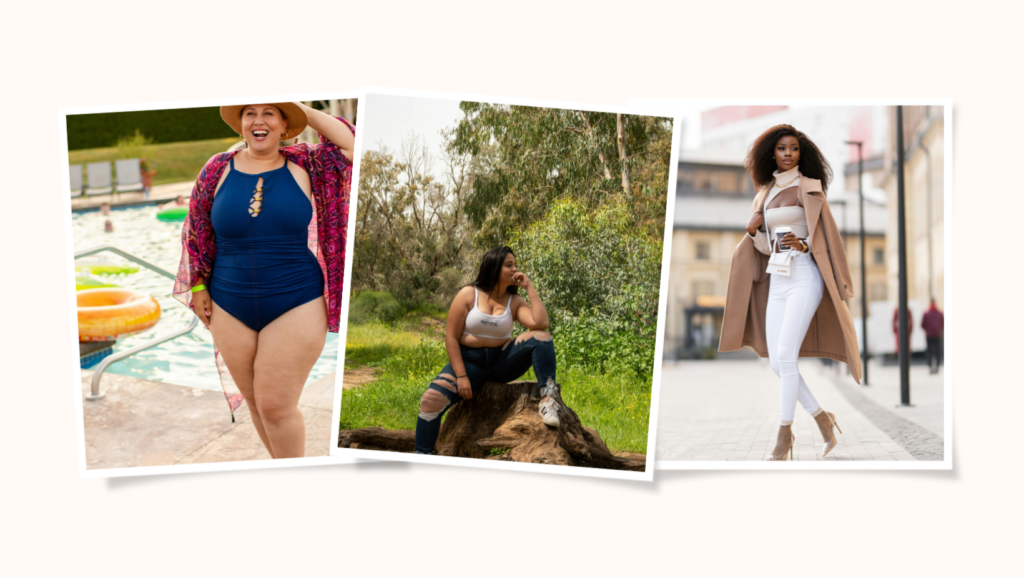
The Ideal Body: Beauty Standards in Black Culture
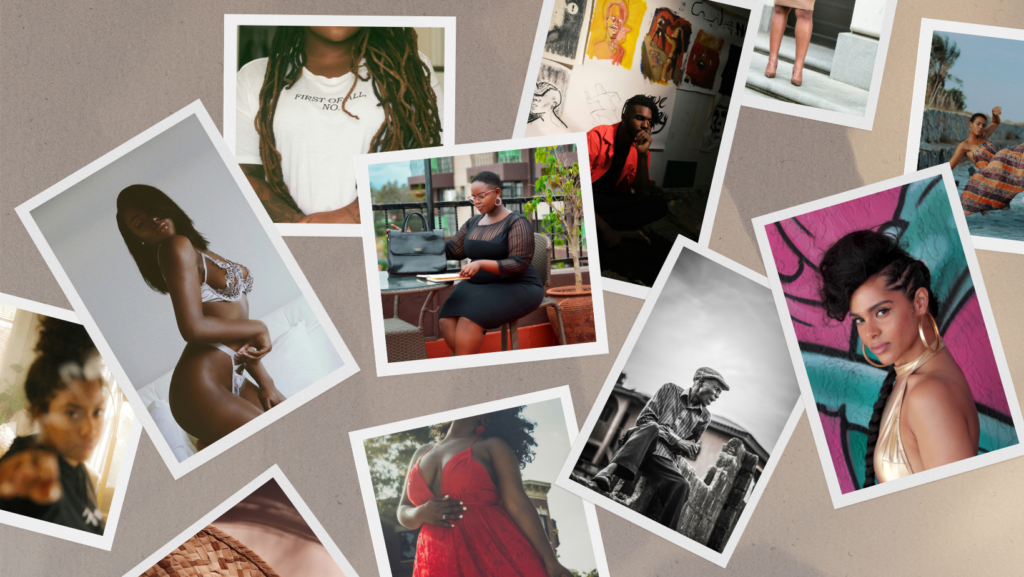
Hello Lovely! Here I am, at the heart of a narrative woven from the resilience and diversity of Black culture, exploring the concept of the “ideal body,” which is both a cultural beacon and a touchstone for personal and communal identity. Let’s delve into the nuances of beauty standards in my culture and how they reflect our history, societal pressures, and a move towards inclusivity and self-acceptance. Historical Context and Evolution I can’t reflect on beauty standards without acknowledging the painful past of colonialism and slavery. These atrocities sought not just to uproot millions of Africans but also to suppress and erase African beauty standards. In traditional African societies, diversity in body types, skin tones, and hair textures was celebrated—a stark contrast to the beauty ideals that were later imposed upon us. As we emerged from the shadows of slavery and colonialism, the Western ideals of beauty further complicated our perceptions. Darker skin tones, fuller lips, and curvaceous bodies were often marginalised. This birthed a complex dance with beauty—a push and pull between acceptance and resistance. The Influence of Media and Popular Culture Black bodies in media and popular culture have been portrayed with a complexity that both challenges and reinforces beauty ideals. Icons like Naomi Campbell, Beyoncé, and Lupita Nyong’o have broken barriers, celebrating the diversity of Black beauty. Yet, this representation is not without its flaws. Stereotypes and hyper-sexualization continue to enforce narrow ideals and expectations. Certain body types have become a fixed presence in music videos and films, often leading many in my community to grapple with body image and self-esteem. The Natural Hair Movement and Body Positivity The natural hair movement has been a significant chapter in my culture’s narrative. It rejects the notion that straight hair is the sole beacon of beauty, fostering a broader conversation about self-acceptance and reclaiming beauty standards. Alongside this, the body positivity movement has taken root, advocating for the acceptance of all body types and challenging the stigmatisation of larger sizes. It’s a modern echo of traditional African values, an affirmation that diversity in bodies is to be celebrated, not concealed. Social Media as a Catalyst for Change Social media has become a canvas for redefining beauty standards. Black influencers and content creators use it to showcase diversity and share experiences with body image, building supportive communities. Hashtags like #BlackGirlMagic and #MelaninPoppin celebrate the beauty of Black skin, while #NaturalHair and #BodyPositivity bolster the acceptance of natural hair and body diversity. Through social media, a broader range of voices can now contest monolithic beauty standards, revealing the true richness of Black diversity and fostering a more inclusive beauty narrative. Challenges and Critiques Even with progress, the struggle against restrictive beauty standards persists. The commercialization of body positivity and natural hair movements has led to valid critiques about their diluted messages. Colourism and featureism still loom, favouring lighter skin tones and Eurocentric features. The current beauty dialogue in Black culture is being challenged to not only promote surface-level acceptance but also to confront the root causes of oppression. An intersectional approach is crucial, one that understands the interplay of race, gender, class, and other identities in shaping our beauty experiences. Looking Forward: Embracing Diversity and Inclusivity The ideal body in Black culture is unfolding into a celebration of individuality, honouring historical and cultural beauty norms, and championing the inherent diversity of the Black experience. This vision embraces liberation and inclusivity, deeply rooted in the understanding that beauty is multifaceted and unlimited. My journey through the beauty standards of Black culture is one marked by resilience and creativity, standing against a backdrop of a struggle for self-definition. The ideal body, within this cultural narrative, is not fixed but fluid, expansive, and reflective of the rich tapestry of Blackness. It’s about embracing our own definitions of beauty, which continue to evolve, defying the legacies of racism and colonialism. In this quest for dignity and self-acceptance, we come to understand that the truest standard of beauty is one that can change, adapt, and celebrate the myriad forms in which we, as Black individuals, see ourselves and choose to be seen. Wishing you peace of mind Samanthia